

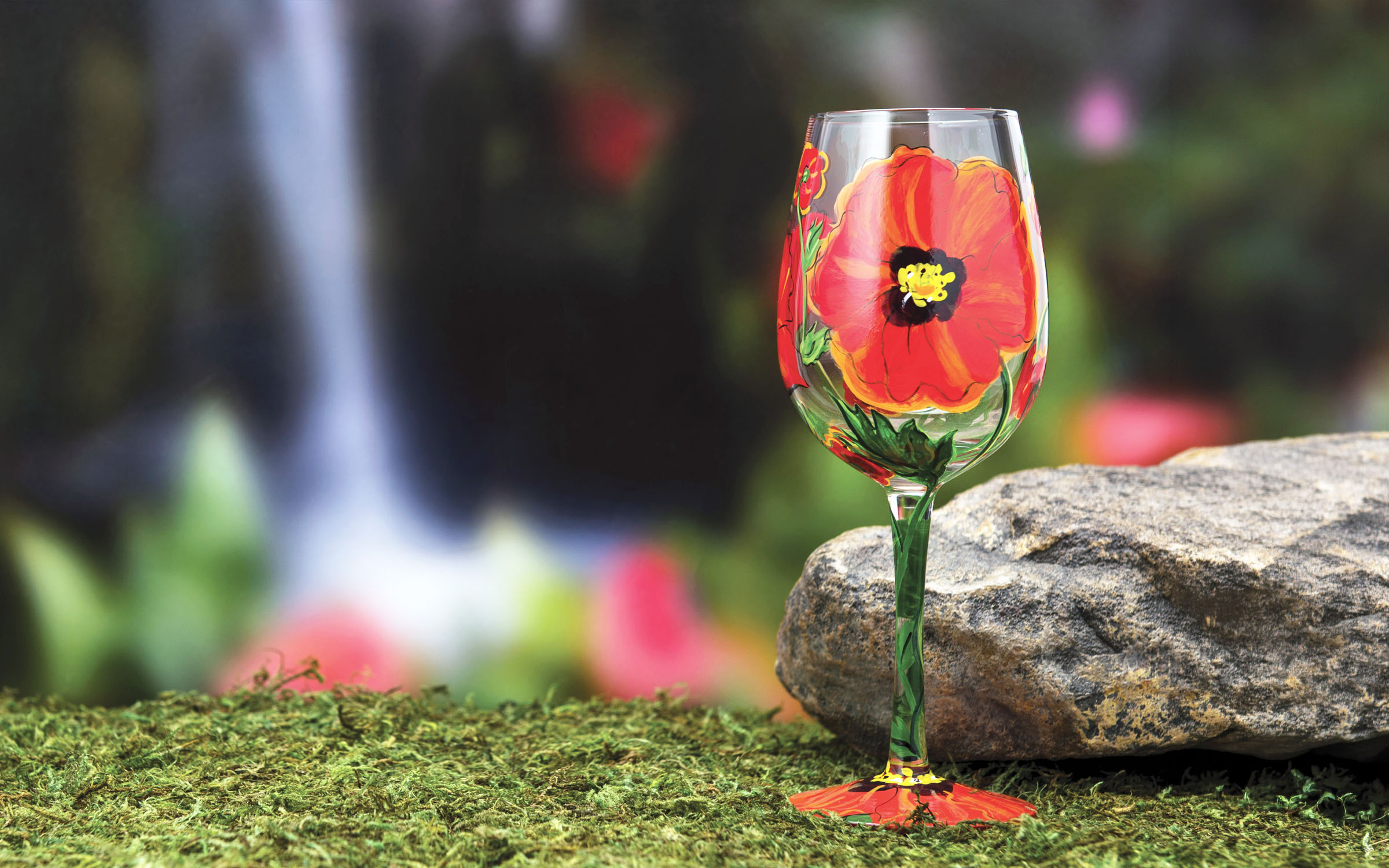
As the company's first full-time hire, I built the creative engine behind Designs by Lolita, helping grow a handful of hand-painted martini glasses into a multimillion-dollar, nationally recognized giftware brand.
Over a decade, the line I art directed grew from a handful of painted glasses into a national brand.
13M+
Products sold
$262M+
Retail sales, 2004 to 2012
9,000+
Retail doors worldwide
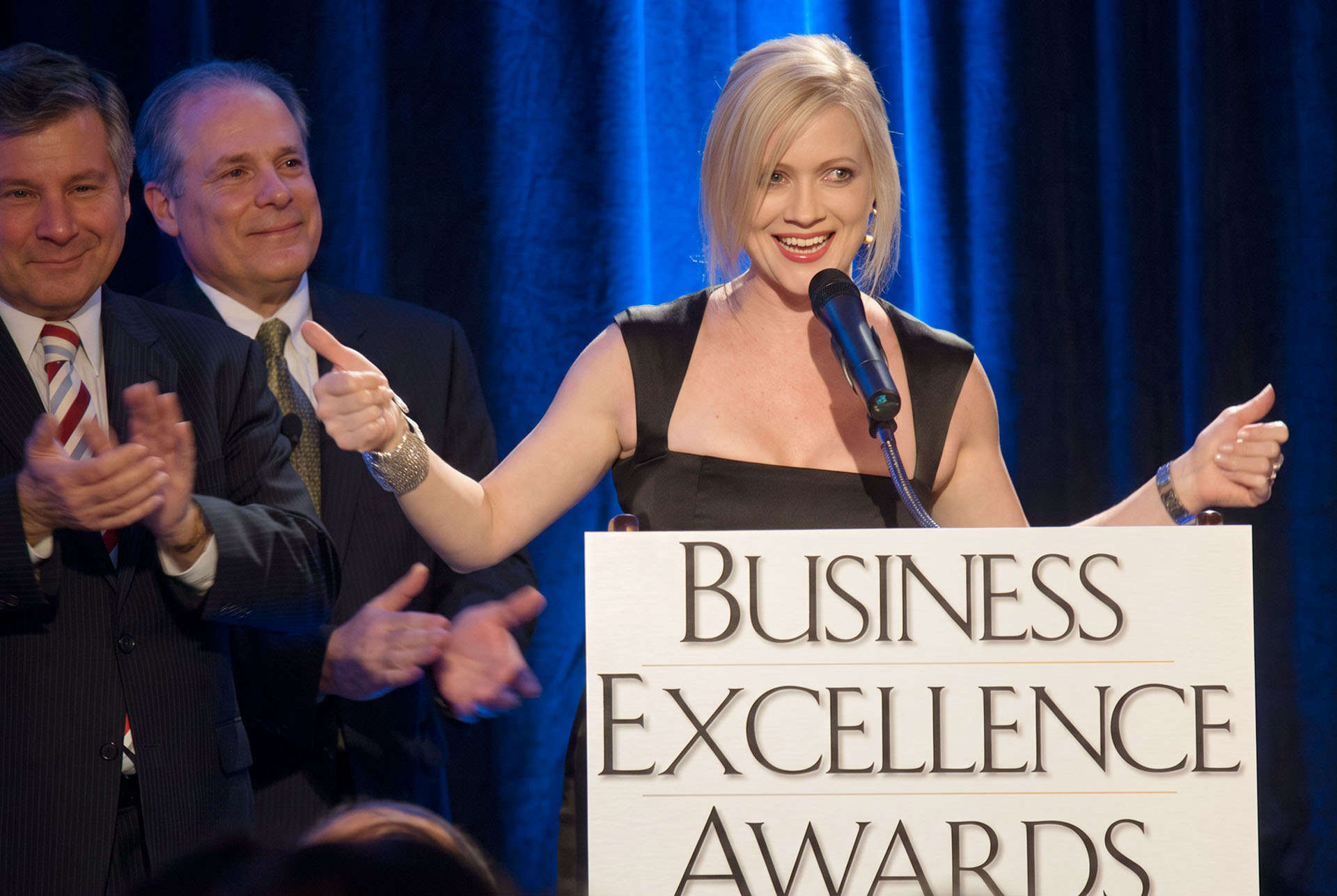
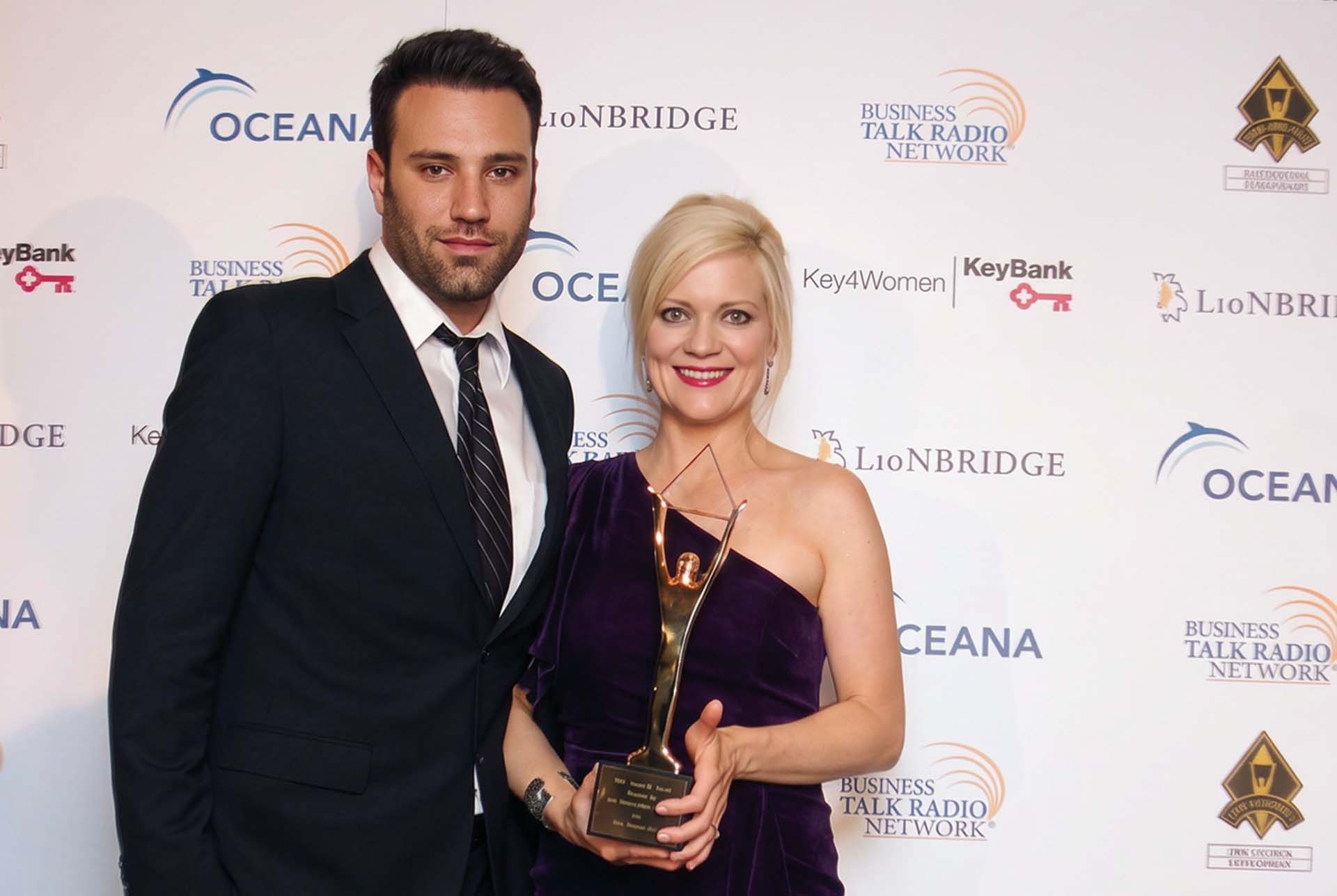
Featured on Today, Good Morning America, and Oprah.com, and in Maxim, Real Simple, and Family Circle. Recognized with Stevie Awards for entrepreneurship.
Role: creative direction and design of the product and packaging system, from launch to national retail.
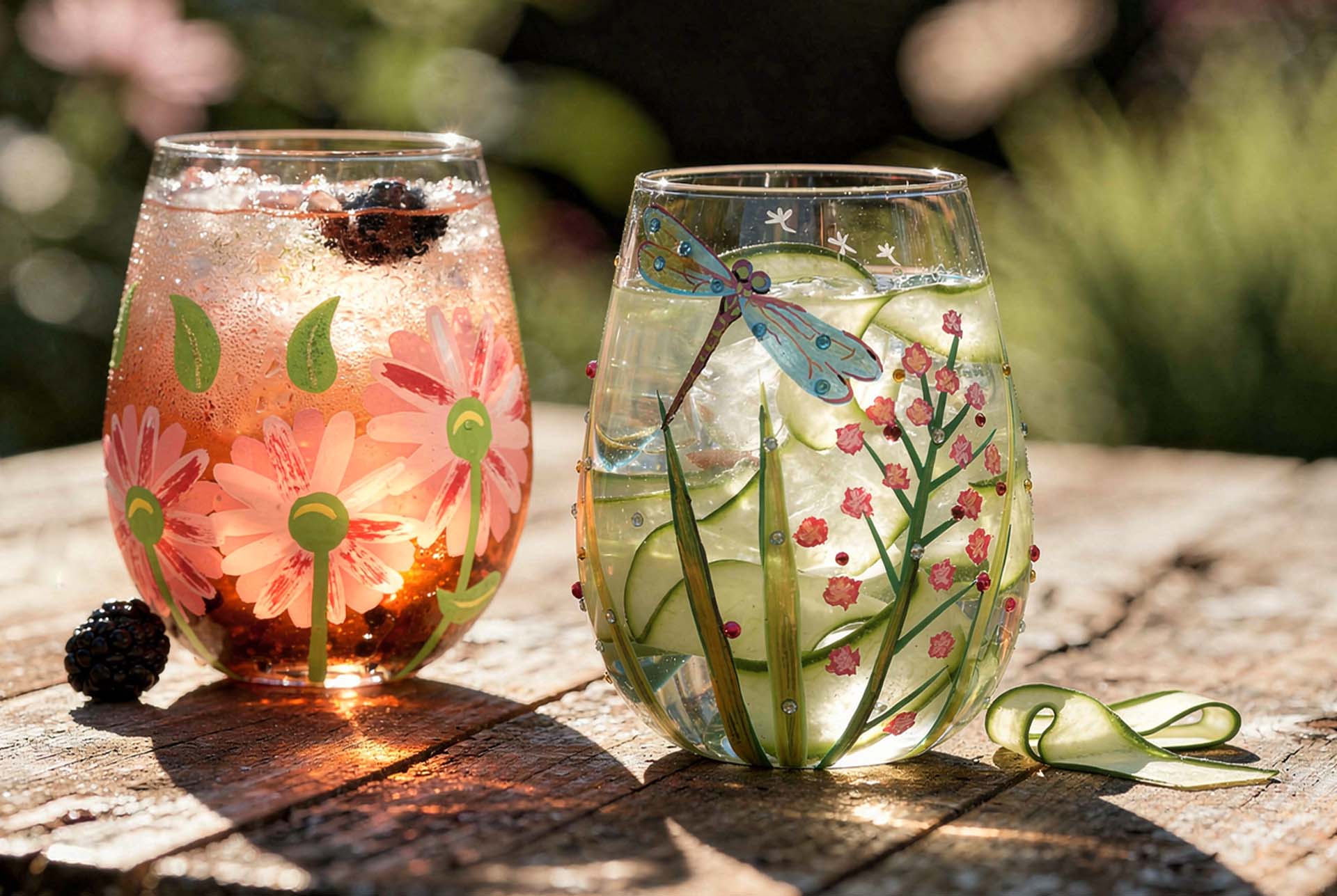
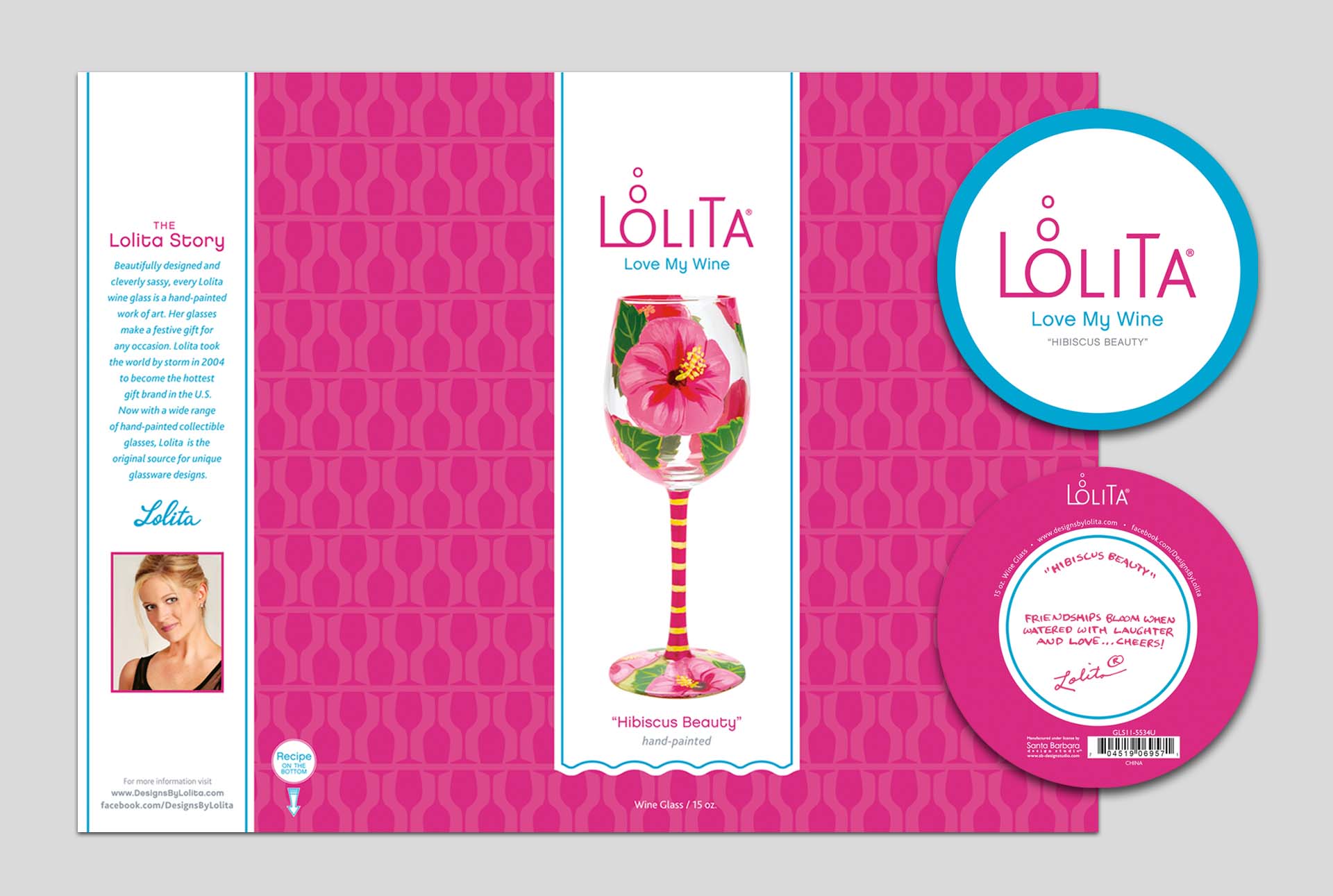
The brand as it was handed to me: a handful of hand-painted glasses and one printed catalog.
Each glass carried a cocktail recipe printed on the base, a detail the company trademarked so no competitor could copy it. It was the one thing that made the product unmistakably ours.
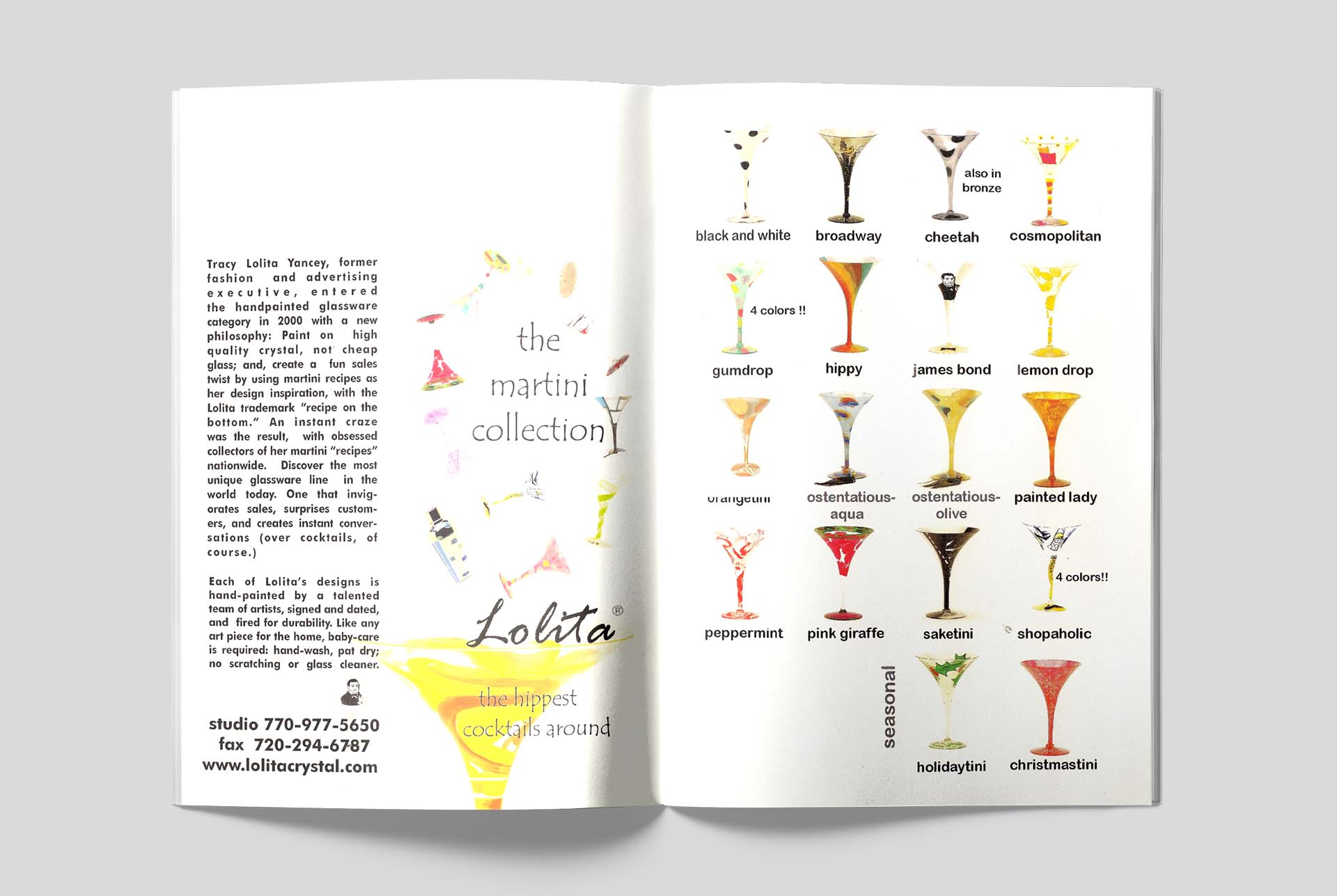
I was the first full-time employee at Designs by Lolita, and for most of my time there I was its Creative Director. The title said design; the job was much bigger. I ran creative, product development, packaging, web, social, and photography, plus the operation that kept a national product line shipping on schedule. There was no department when I arrived, no system, not even a computer. Day one was a desk in an office the founder had leased two weeks earlier and a company card that said: get what you need. What existed of the brand was a disk of poorly shot photos and a line of hand-painted martini glasses, each with a trademarked recipe printed on the base.
New hand-painted designs every quarter. Everyday staples, a twelve-piece Birthday Month set, wedding, holiday, and Halloween.
What sells in a British pub does not sell in an American kitchen, so alongside the US line I created separate customs for the UK and Australia. I also rebuilt how the product was shot, so the photography finally matched the work.
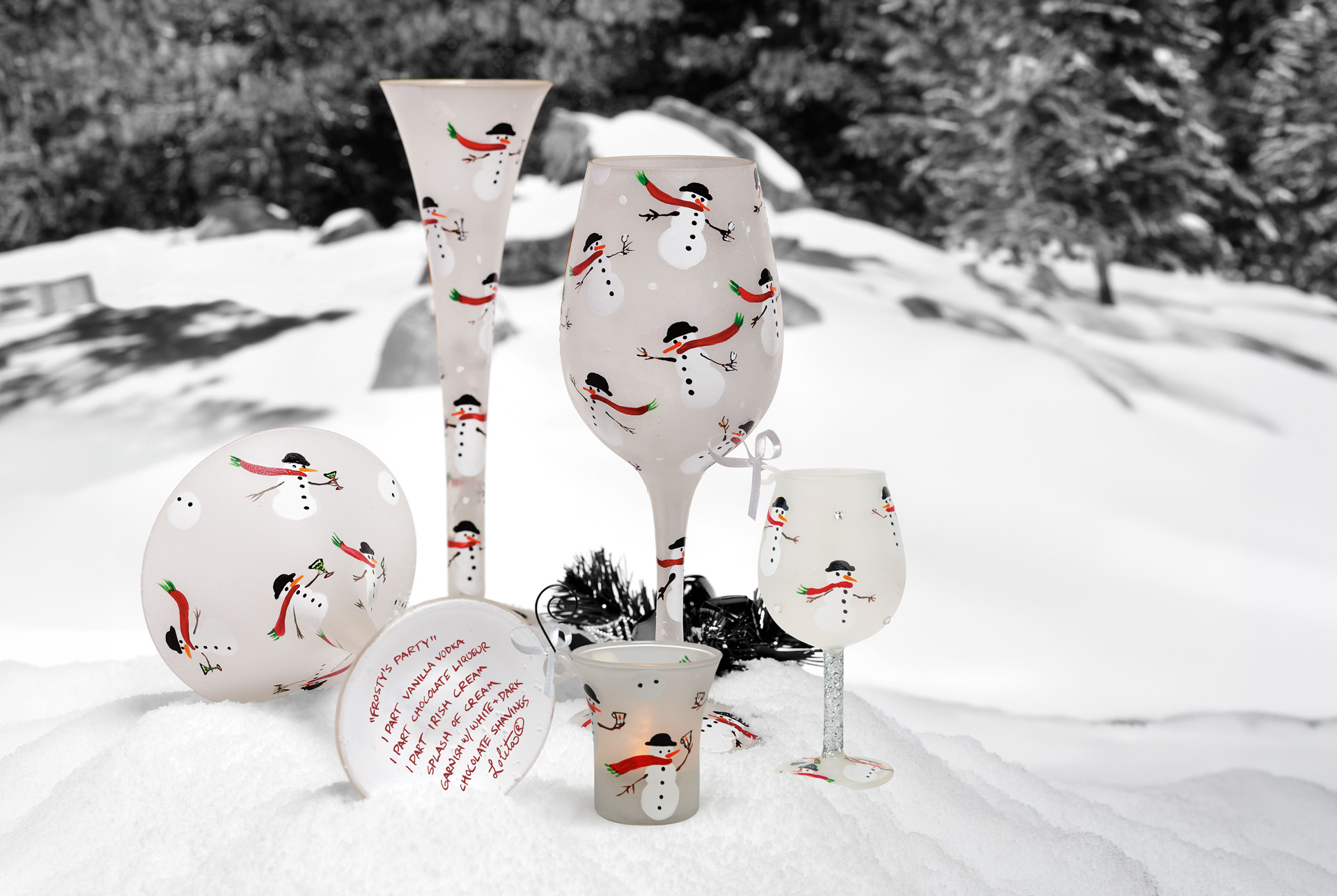
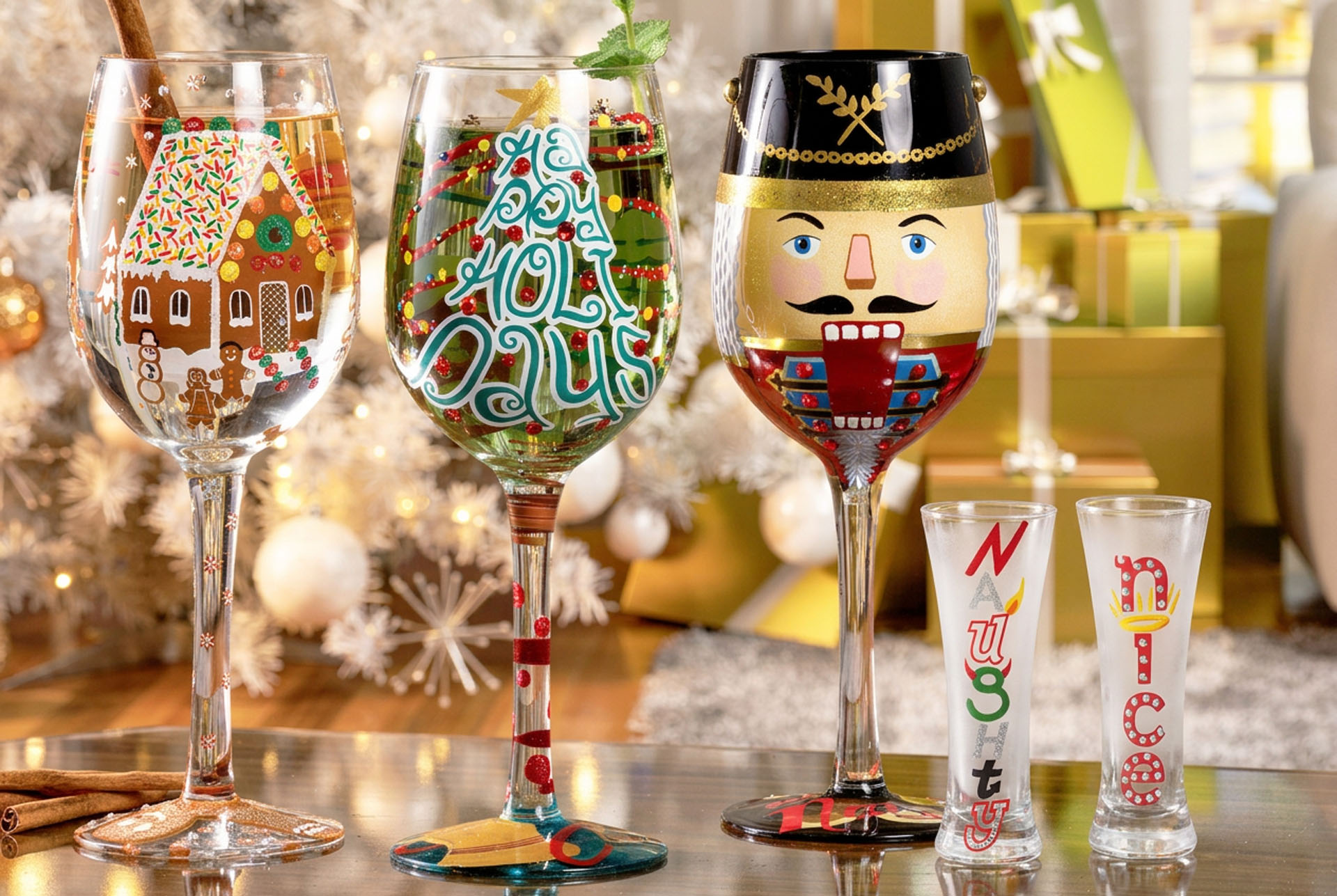
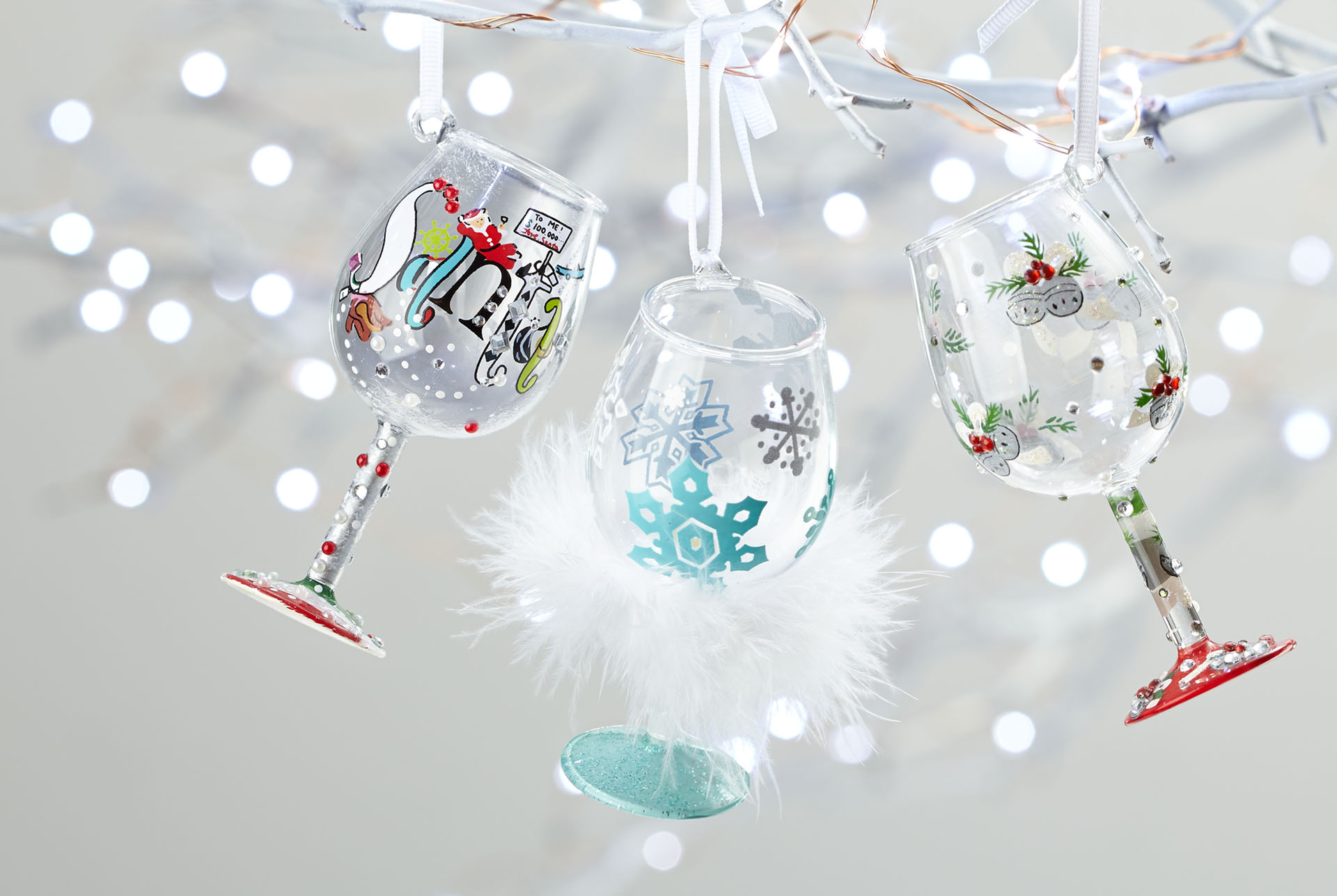
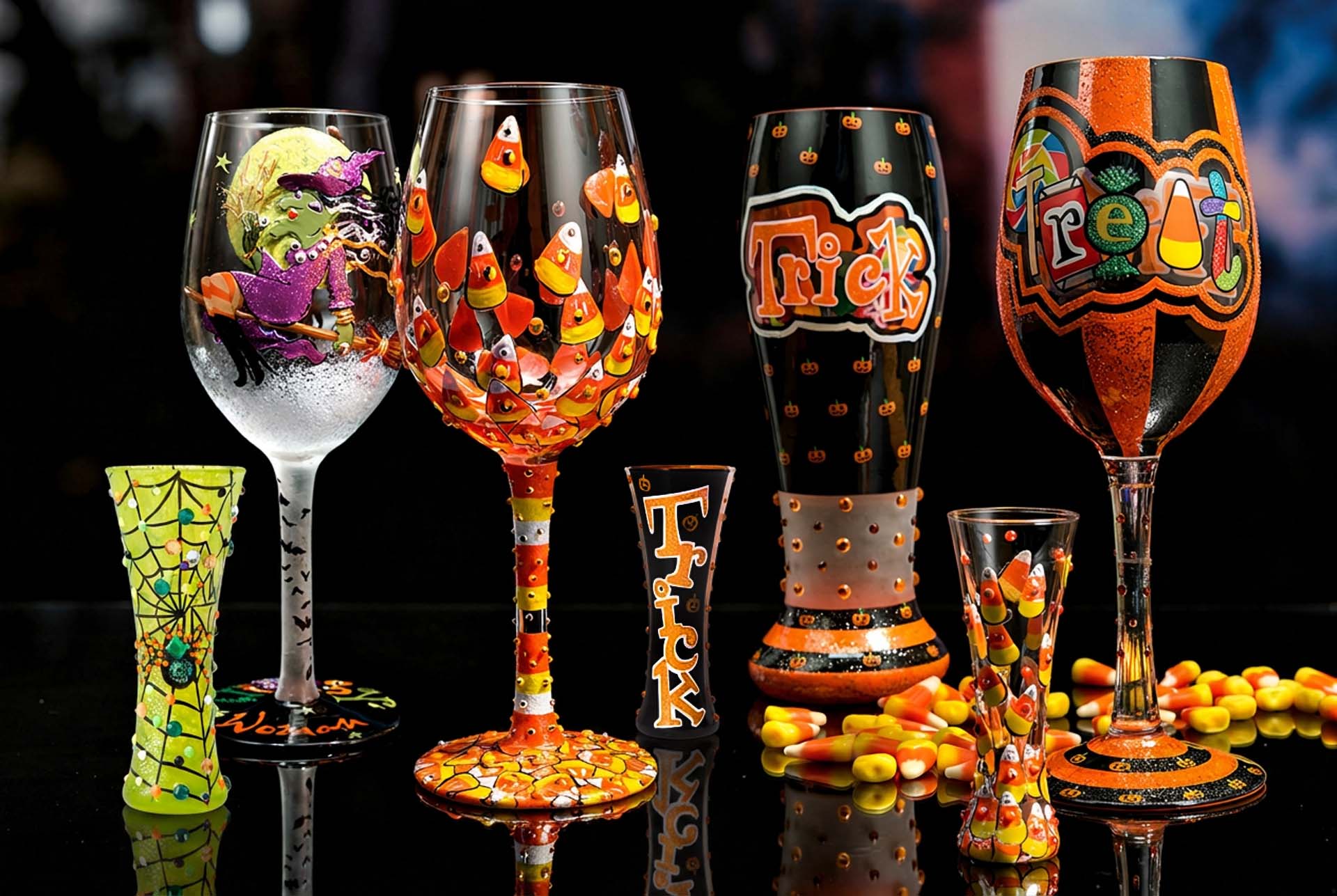
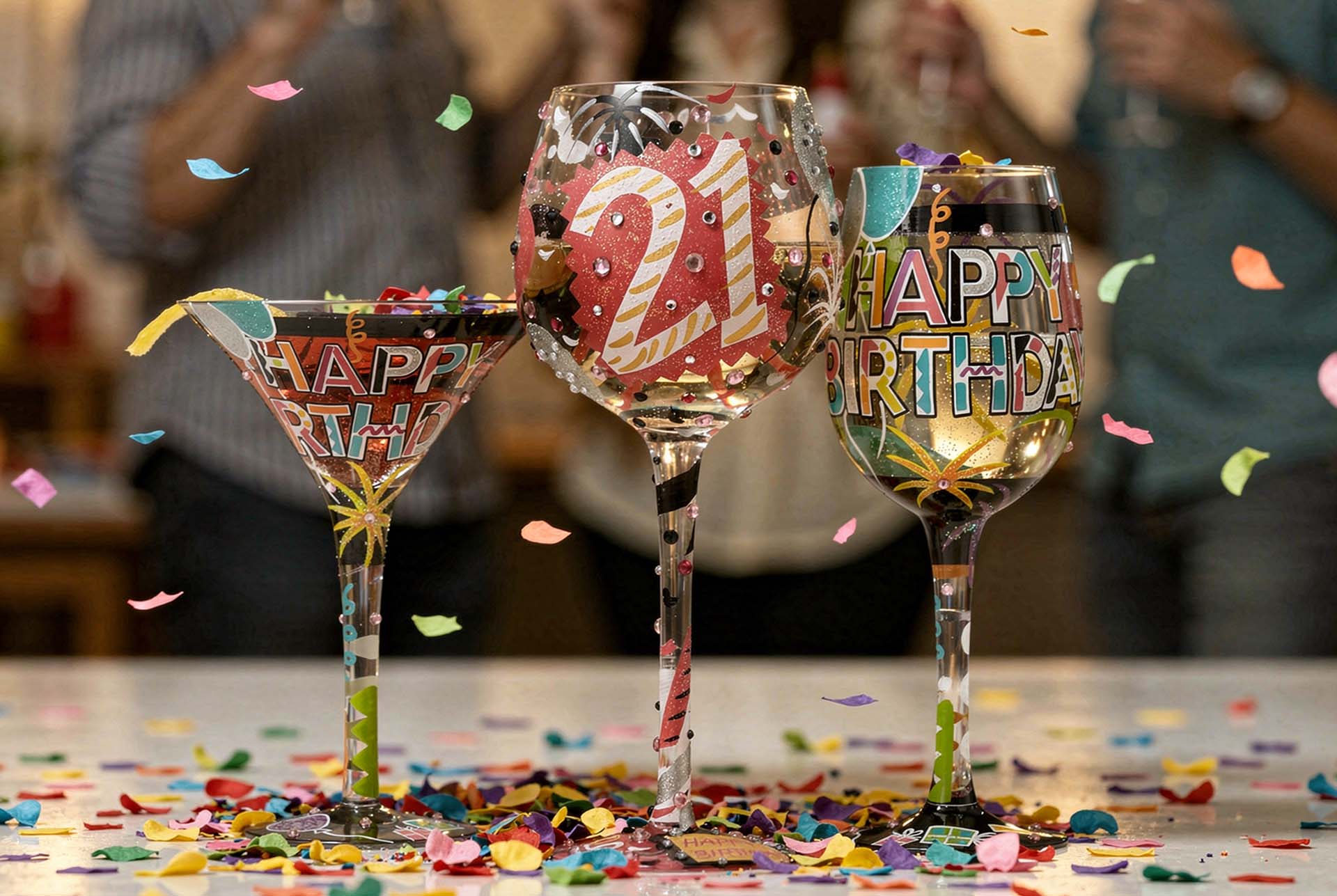
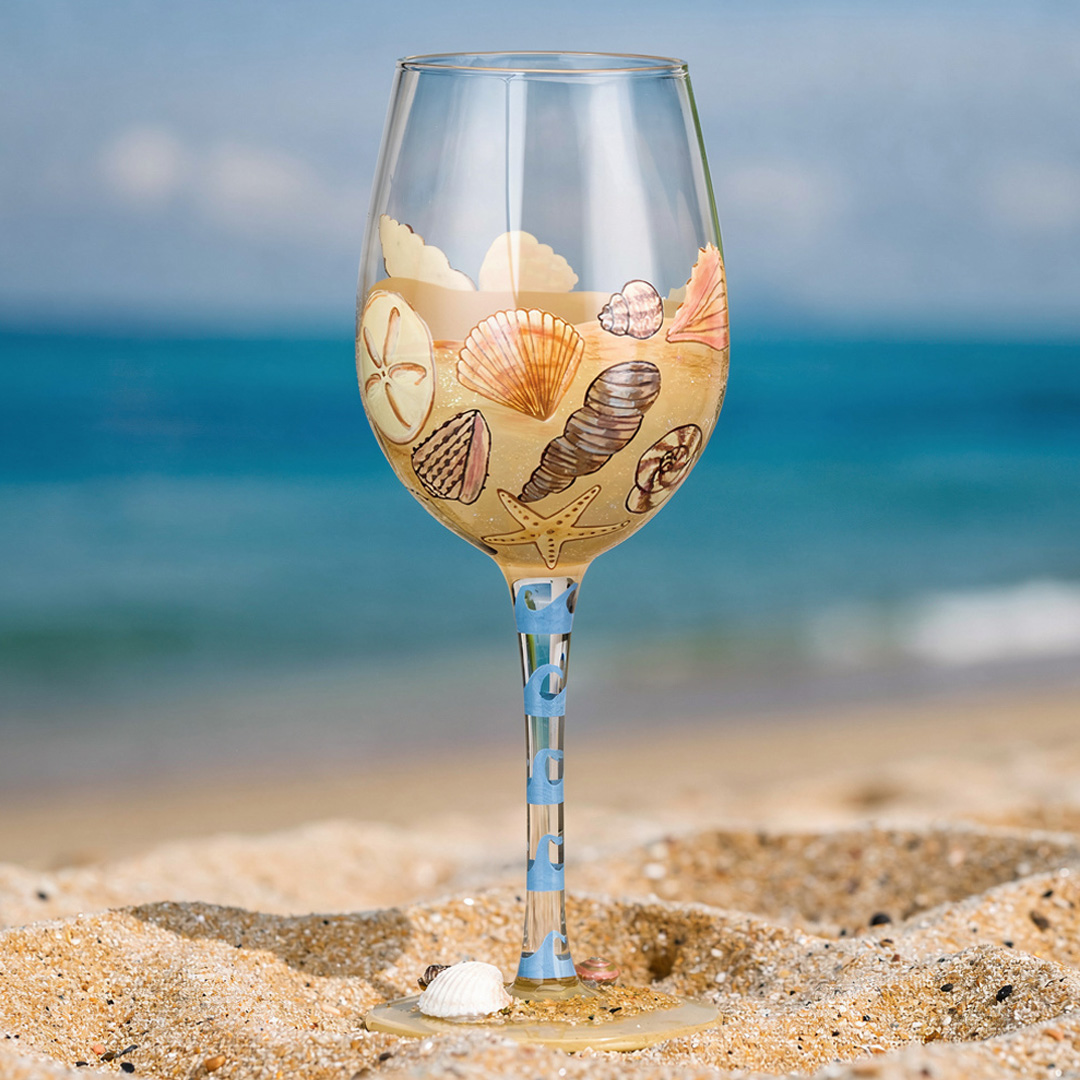
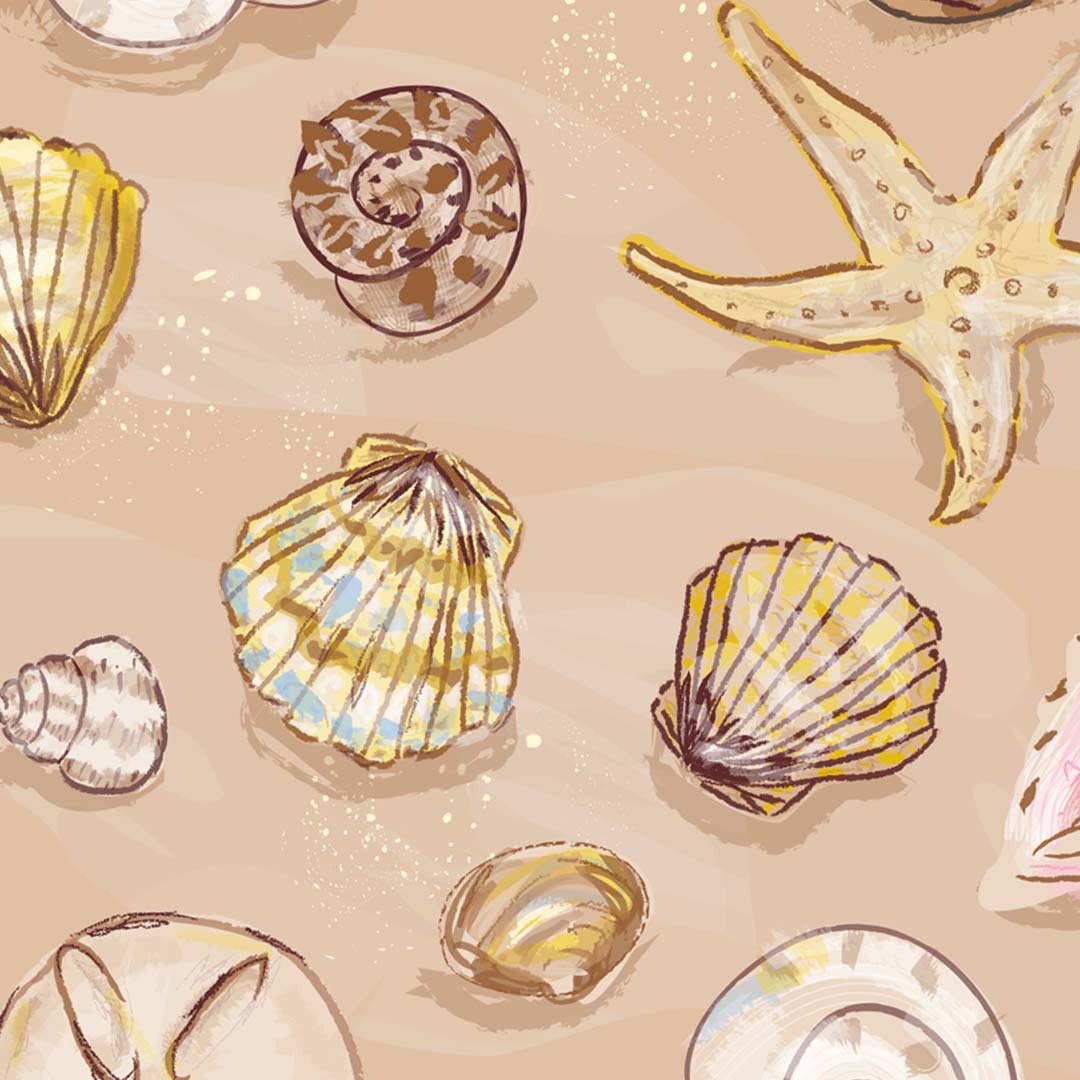
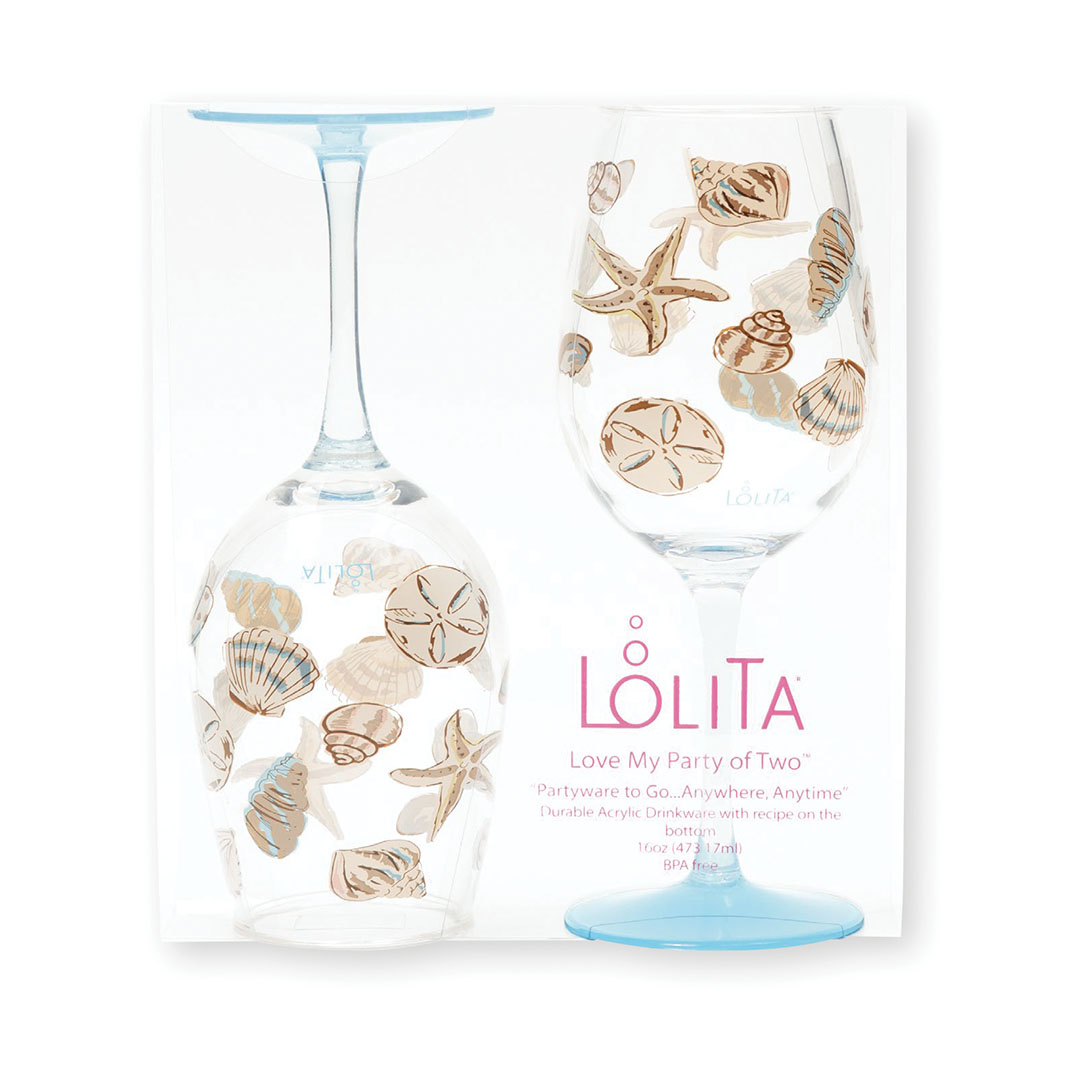
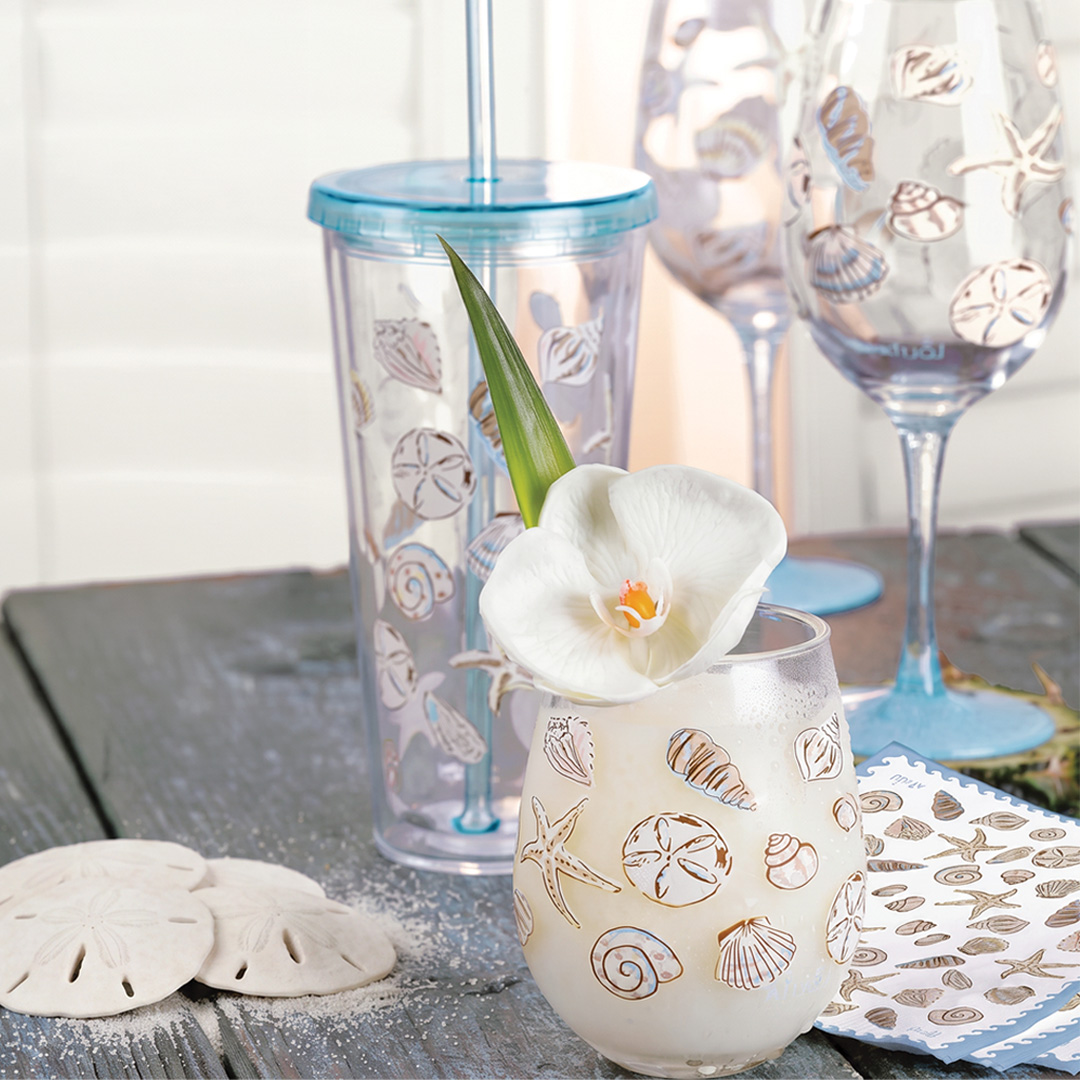
One illustration becomes a pattern, then packaging, then a finished product. The system in a single row.
This is the system that mattered most. I re-illustrated about seventy percent of every line as flat art in Adobe Illustrator and stored it as a single source on a shared server the whole team could reach from different states. One design, built once, deployed across decals, acrylics, textiles, bedding, board games, packaging, and signage. It is how a small team kept a large, multi-category brand shipping on deadline.
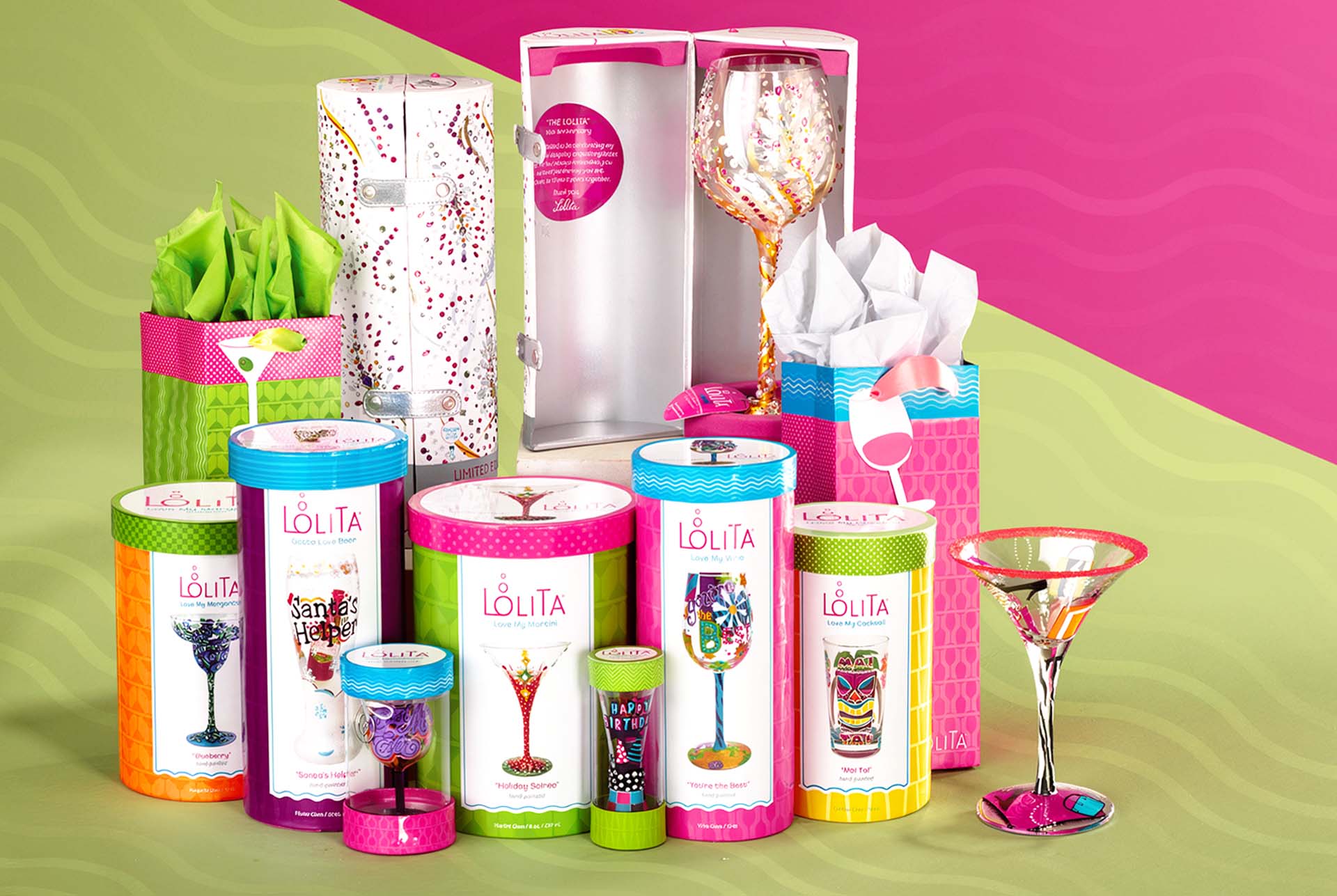
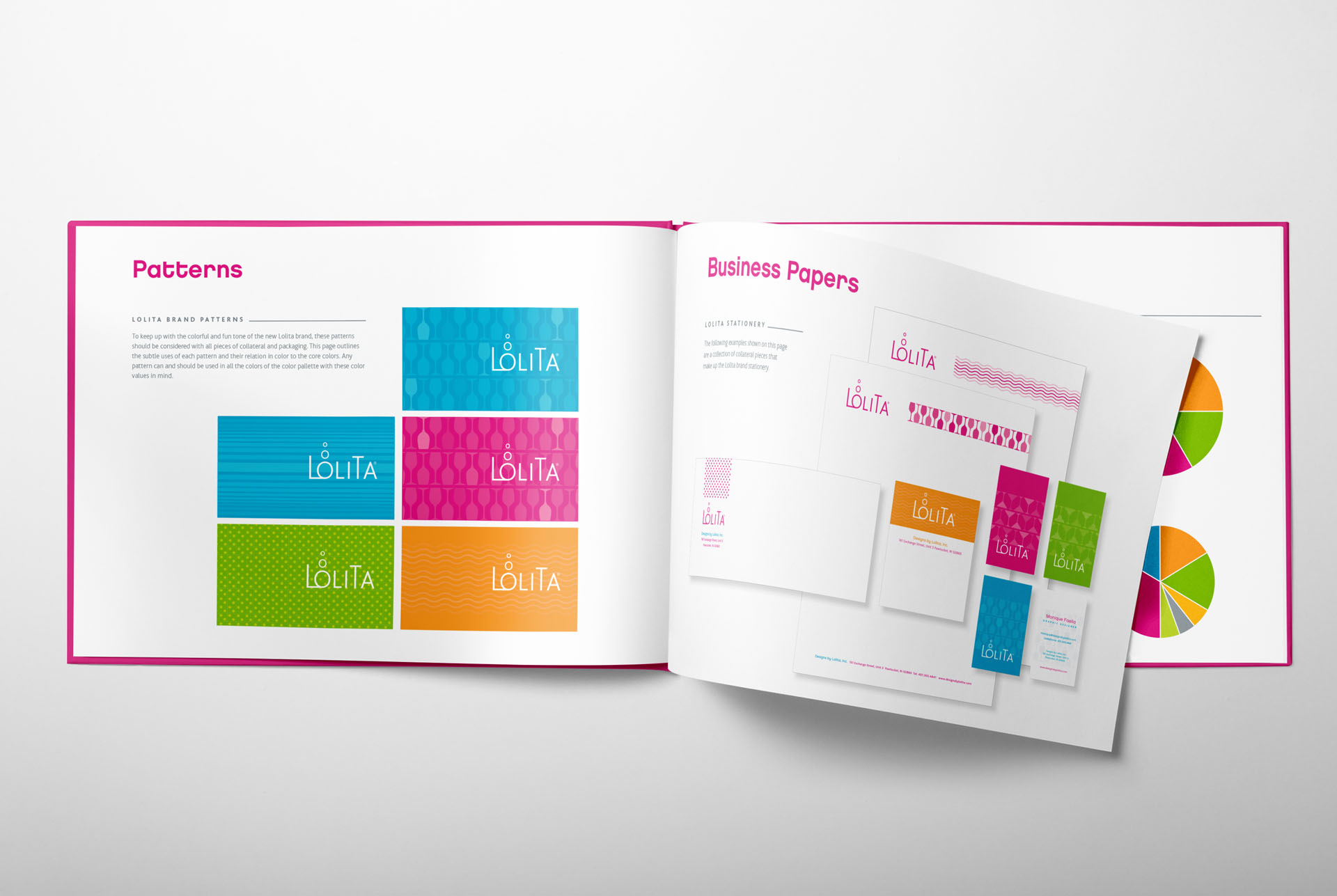
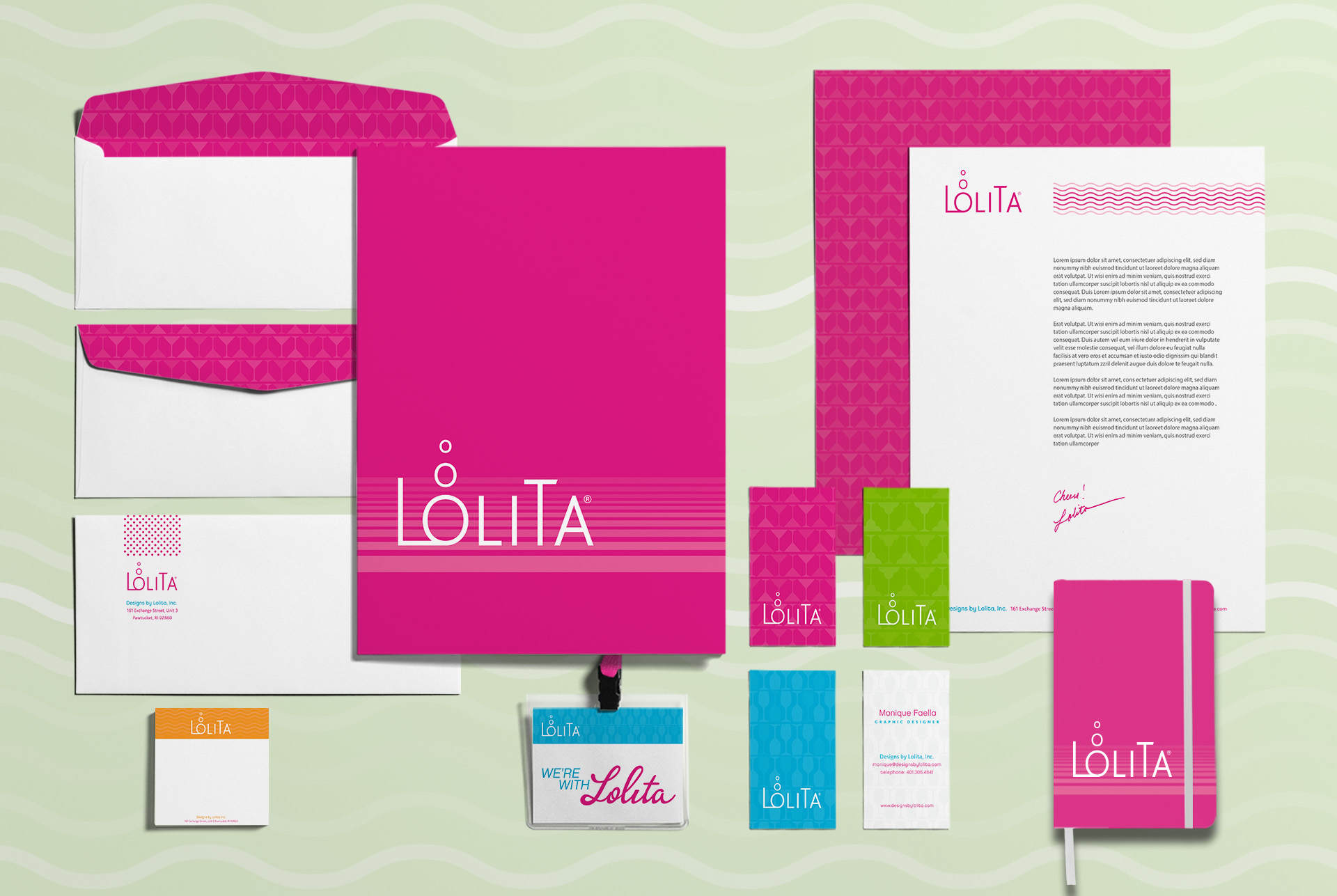
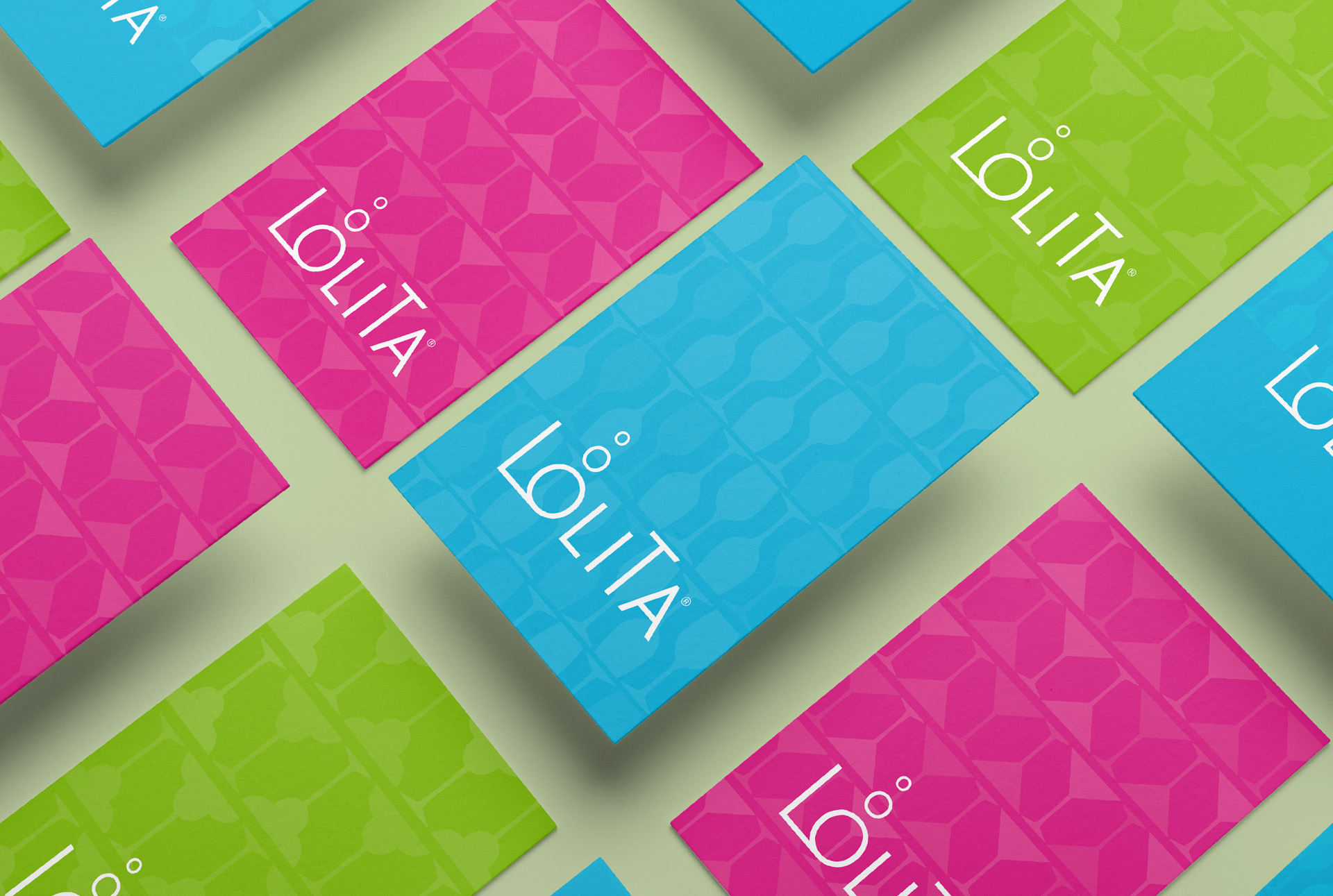

The logo, the style guide, the stationery, and the packaging. The system that kept Lolita reading as one brand across every product.
Before any product could scale, the brand needed an identity. I helped build the rebrand and art directed the first style guide and visual language, then the stationery, catalogs, decks, and pitch presentations that carried it, and kept it consistent everywhere the brand appeared.
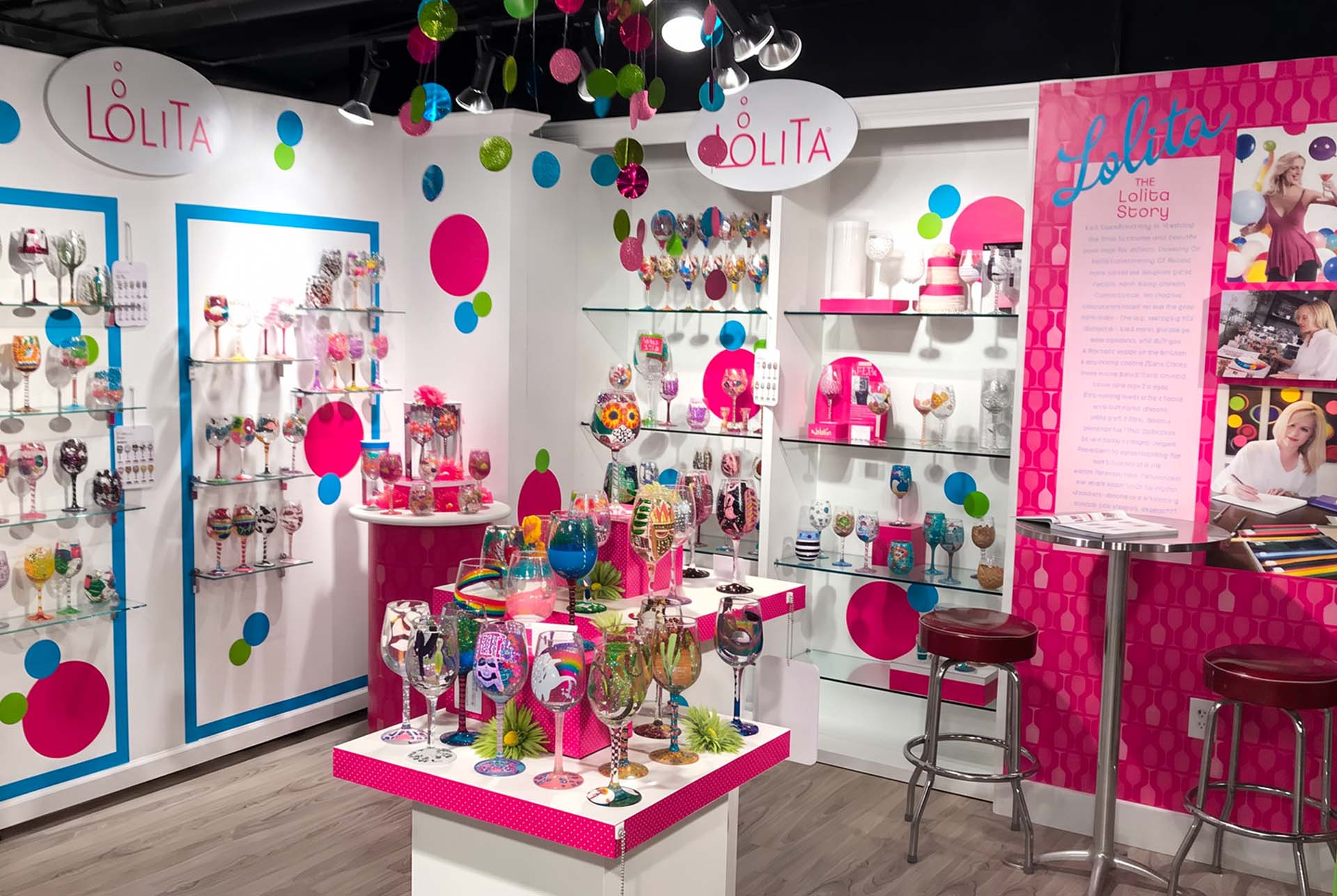
Built out for the Atlanta gift market and retail floors, where buyers met Lolita in person. Number one in its category for years running.
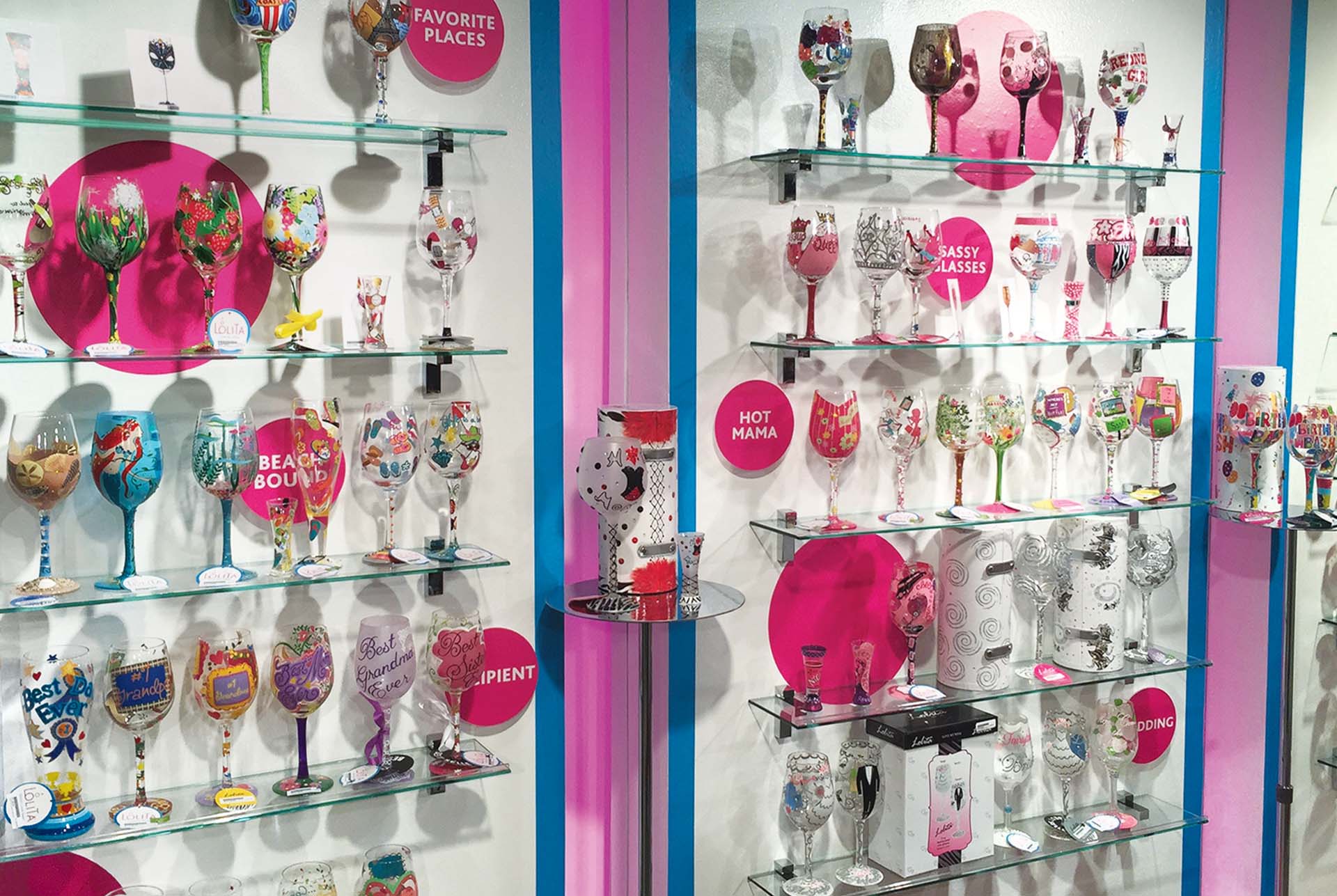
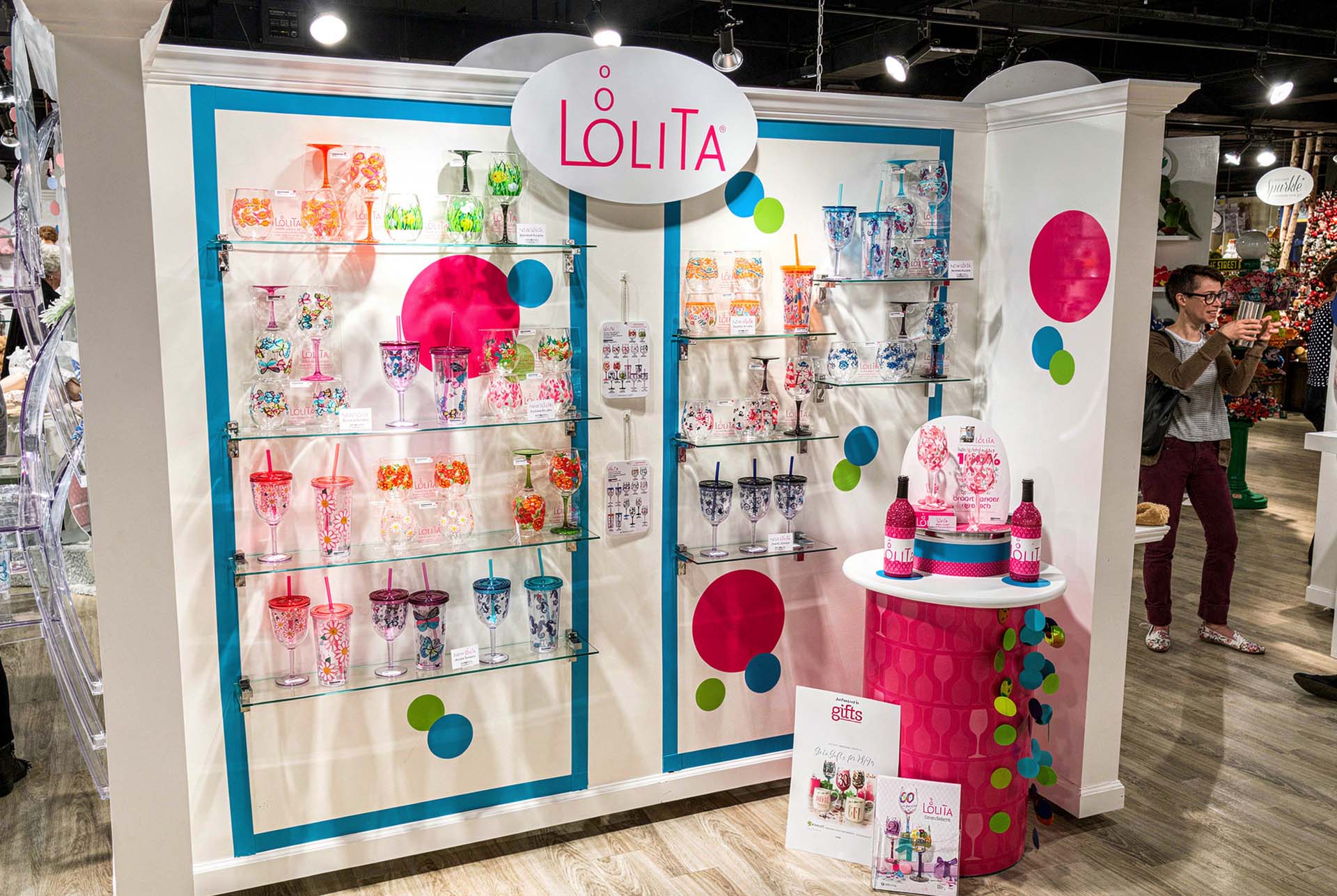
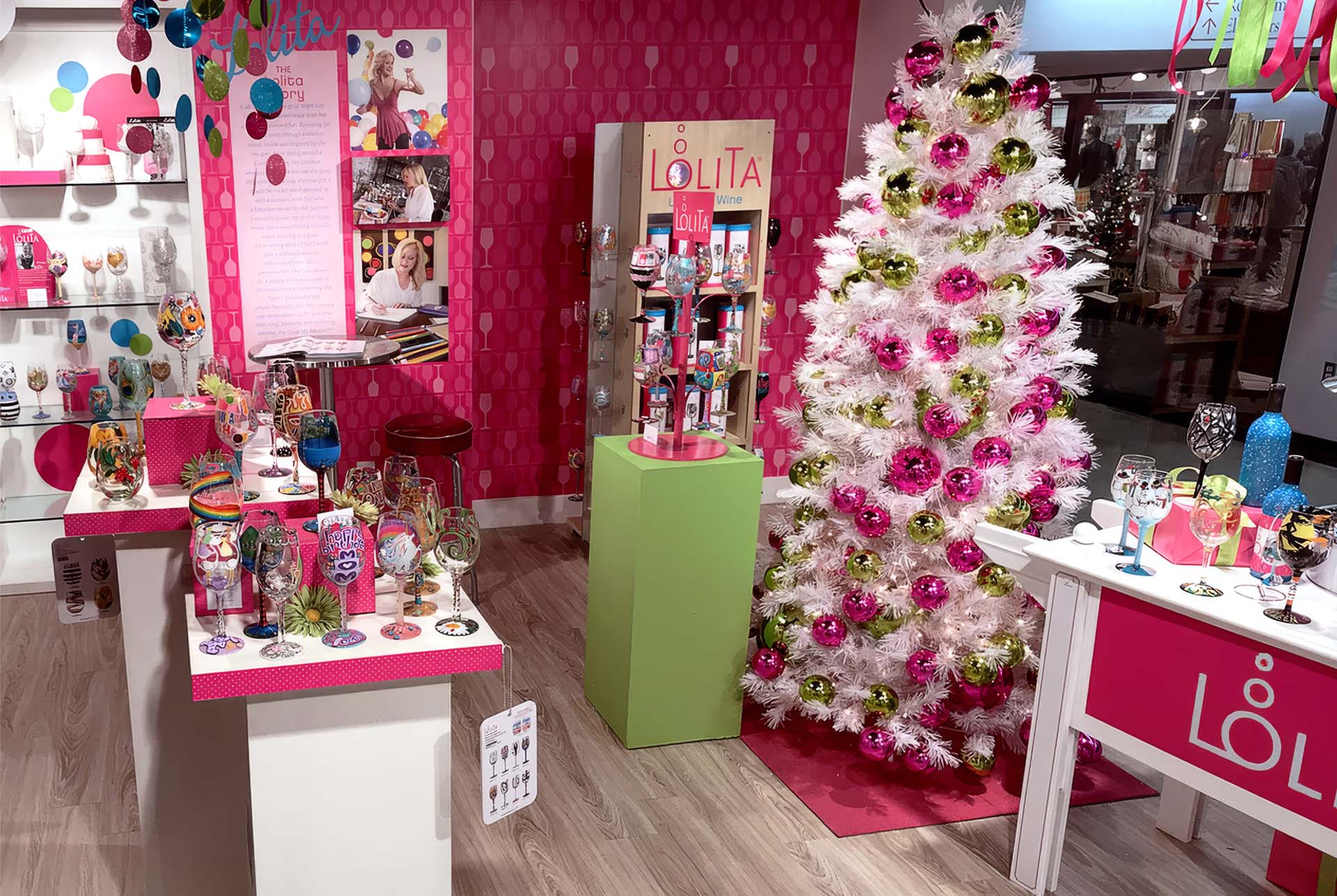
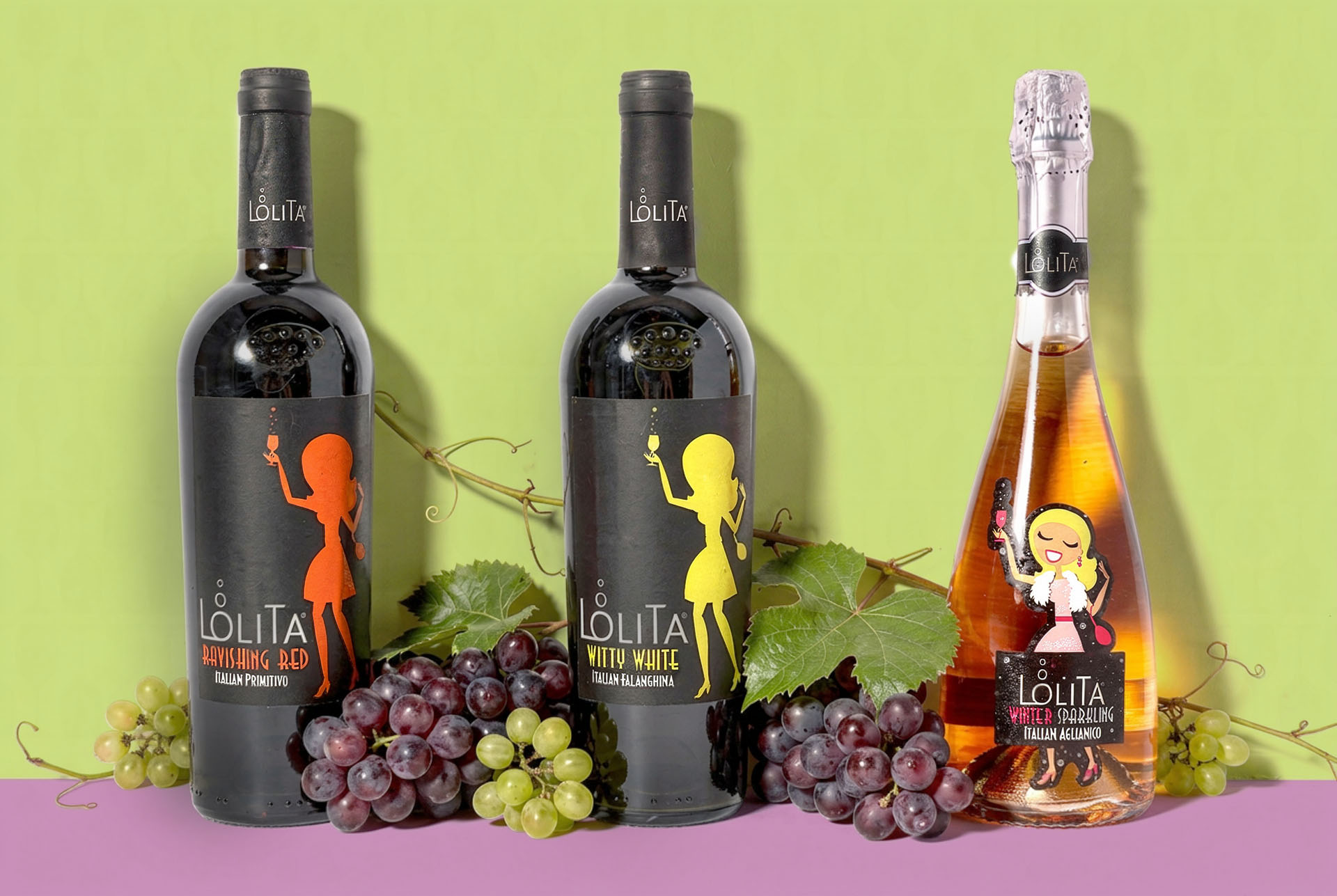
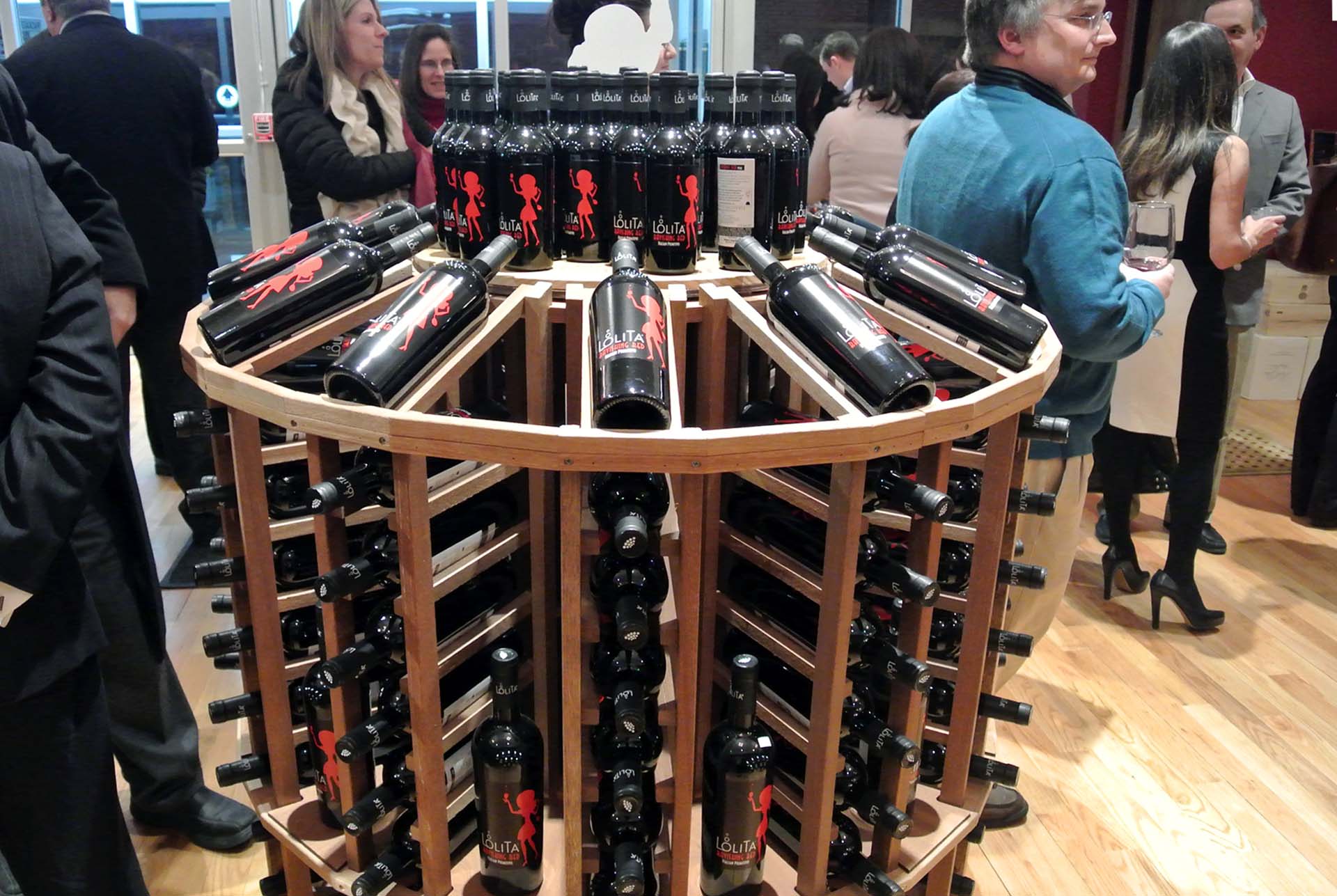
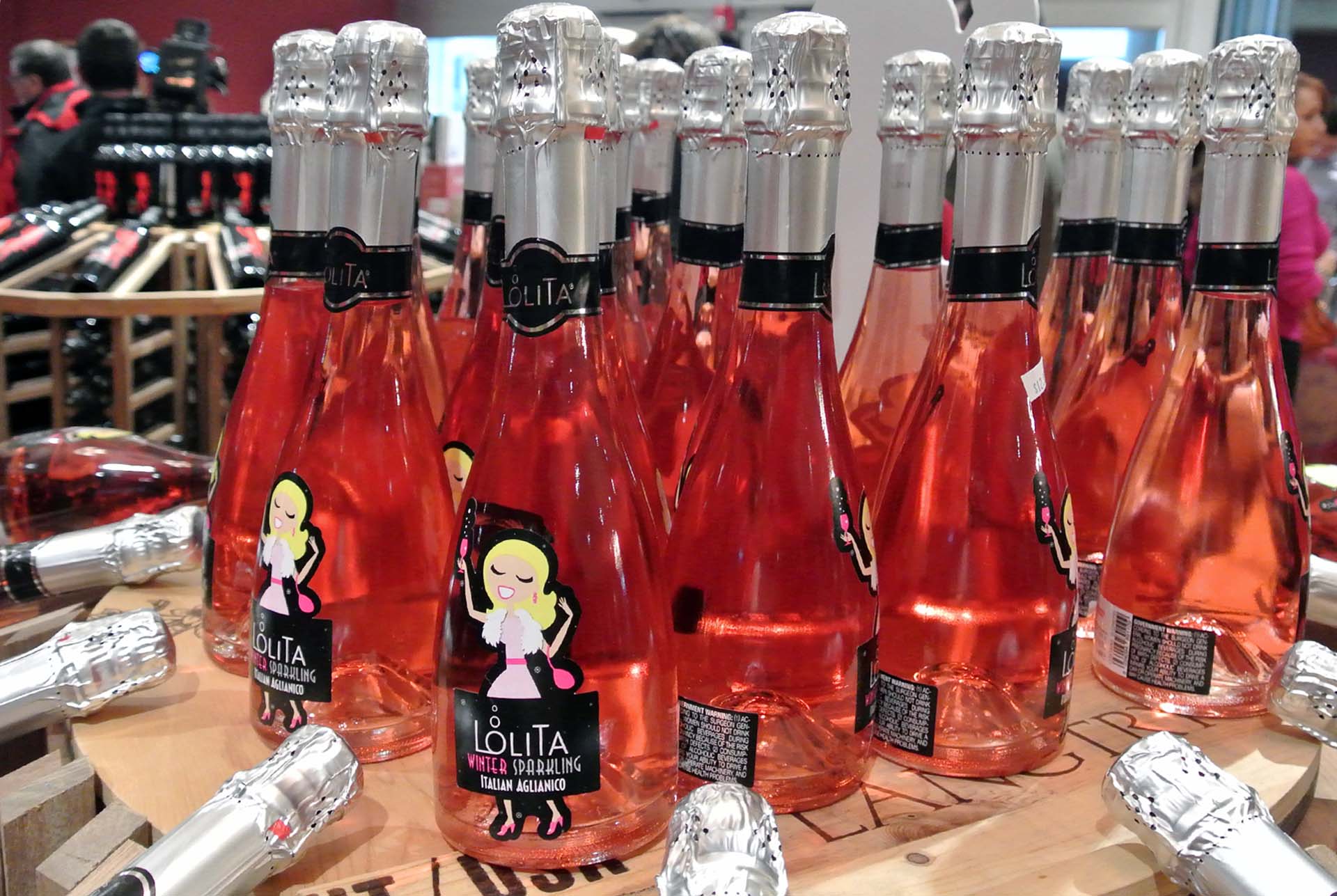
The identity carried onto a licensed wine and sparkling line that reached retail shelves and launch events.
At its peak the brand reached more than 10,000 stores, including Macy's, Hallmark, and Von Maur, across the US and abroad.
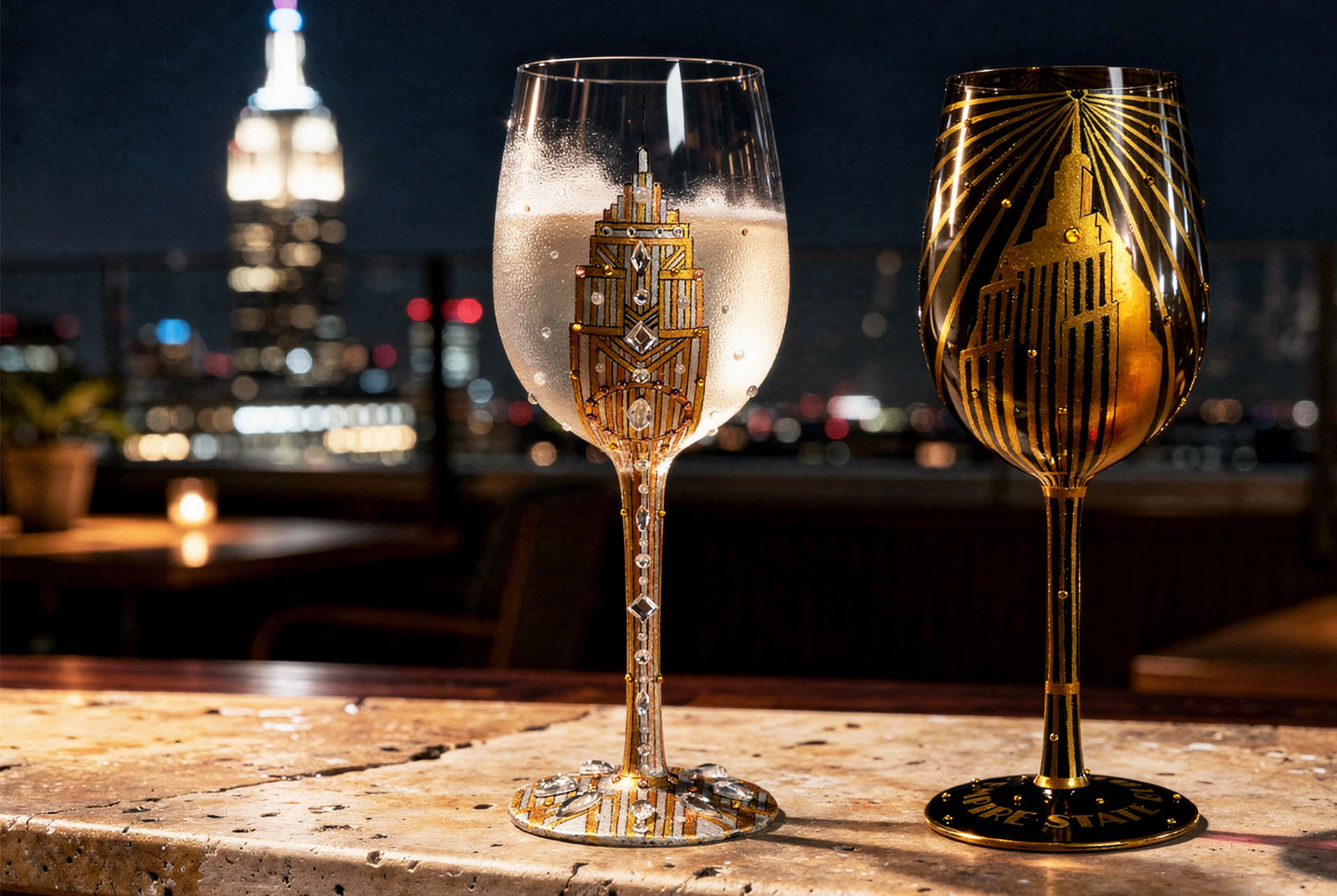
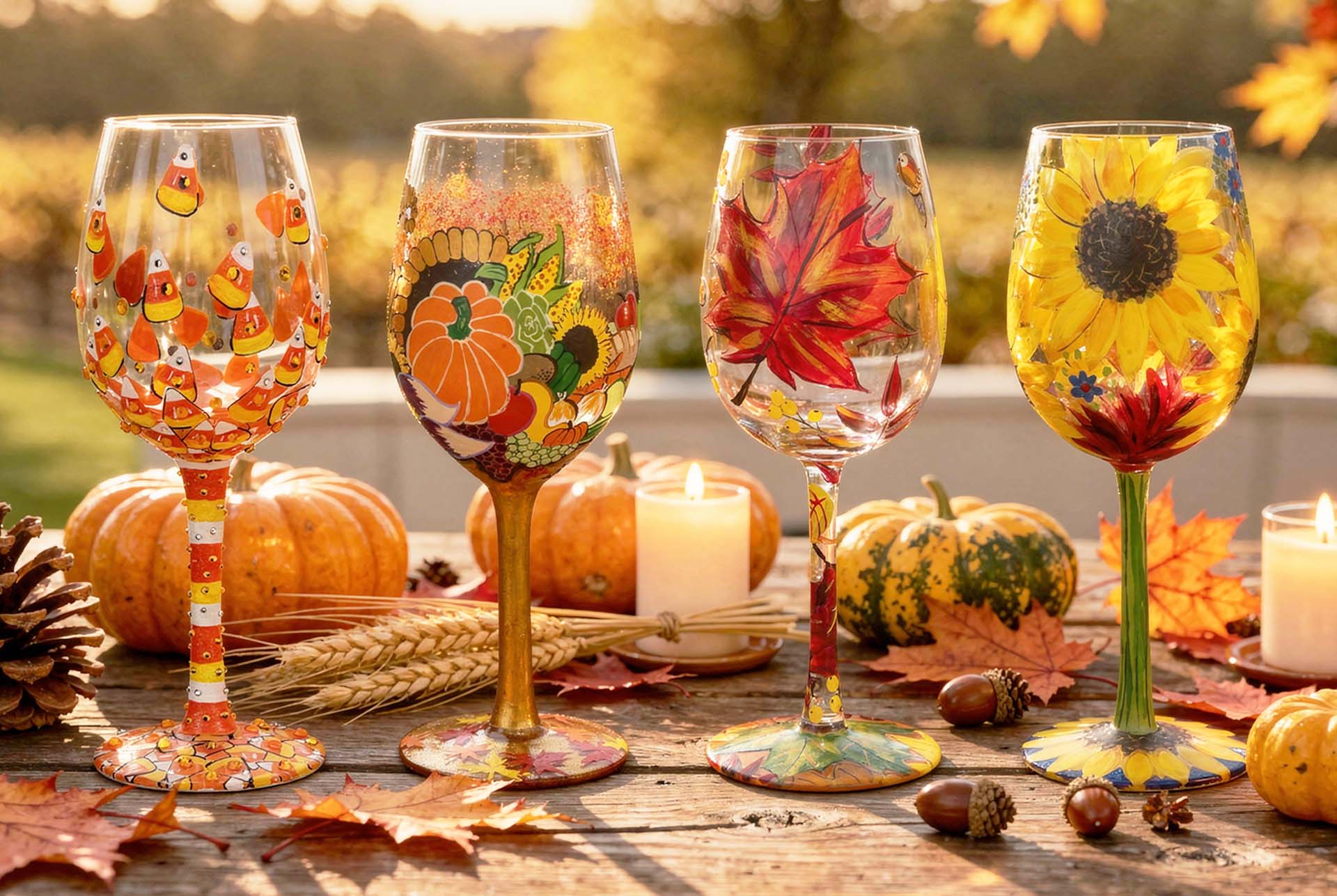
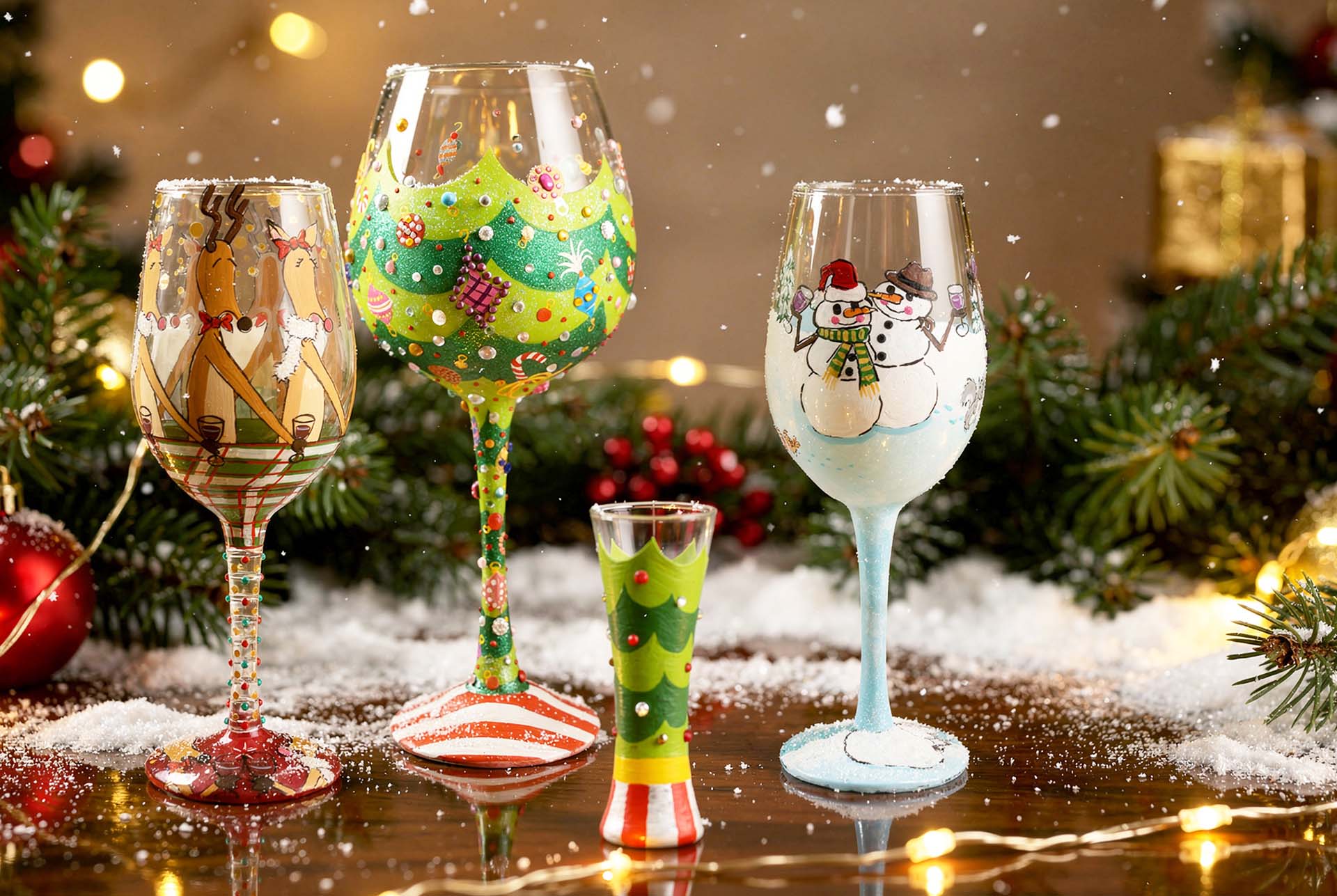
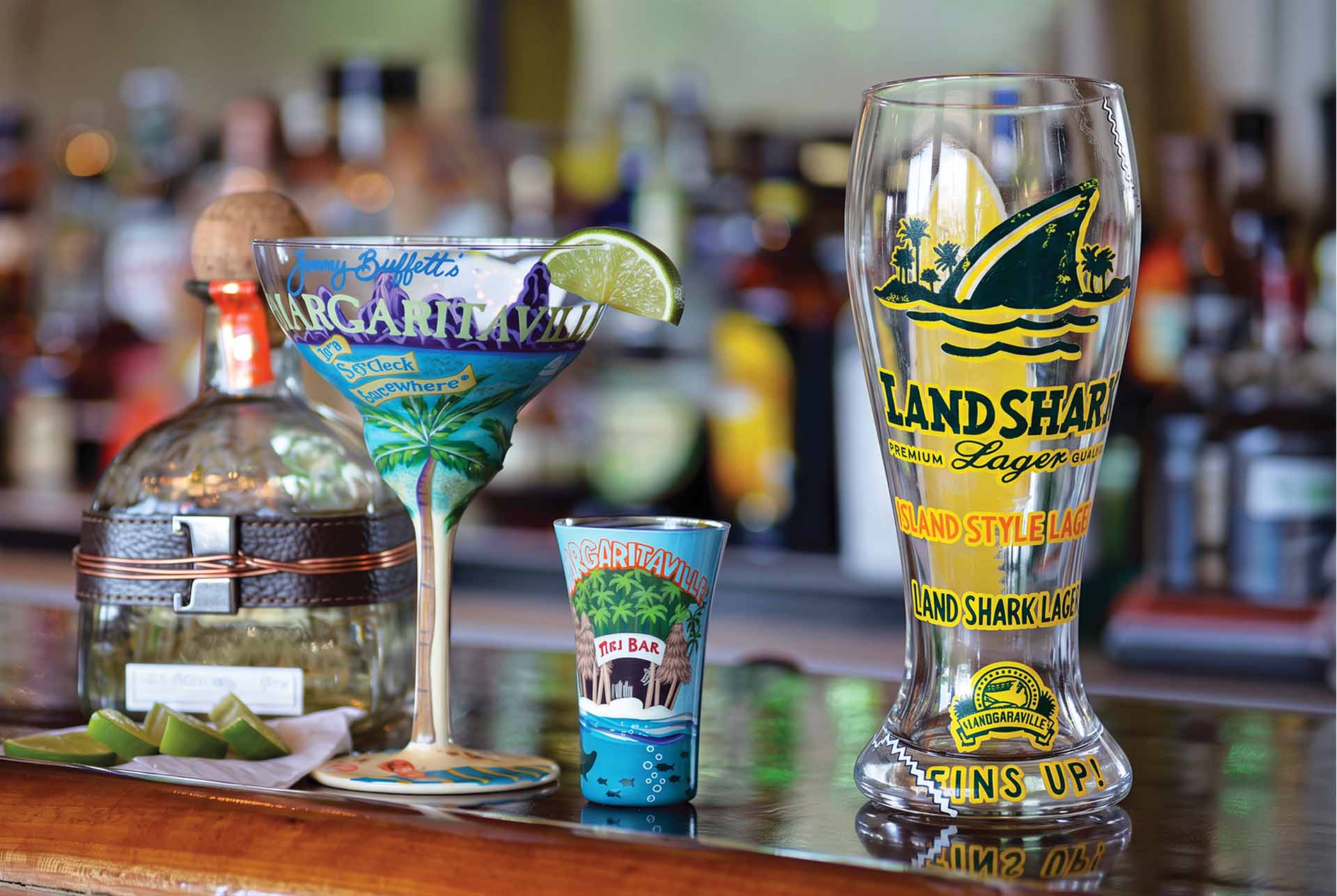
Empire State Building, QVC, Hallmark, and Margaritaville. Hover or tap each tile to reveal the brand behind the work.
"If I needed anything, Andrew's team got it done."
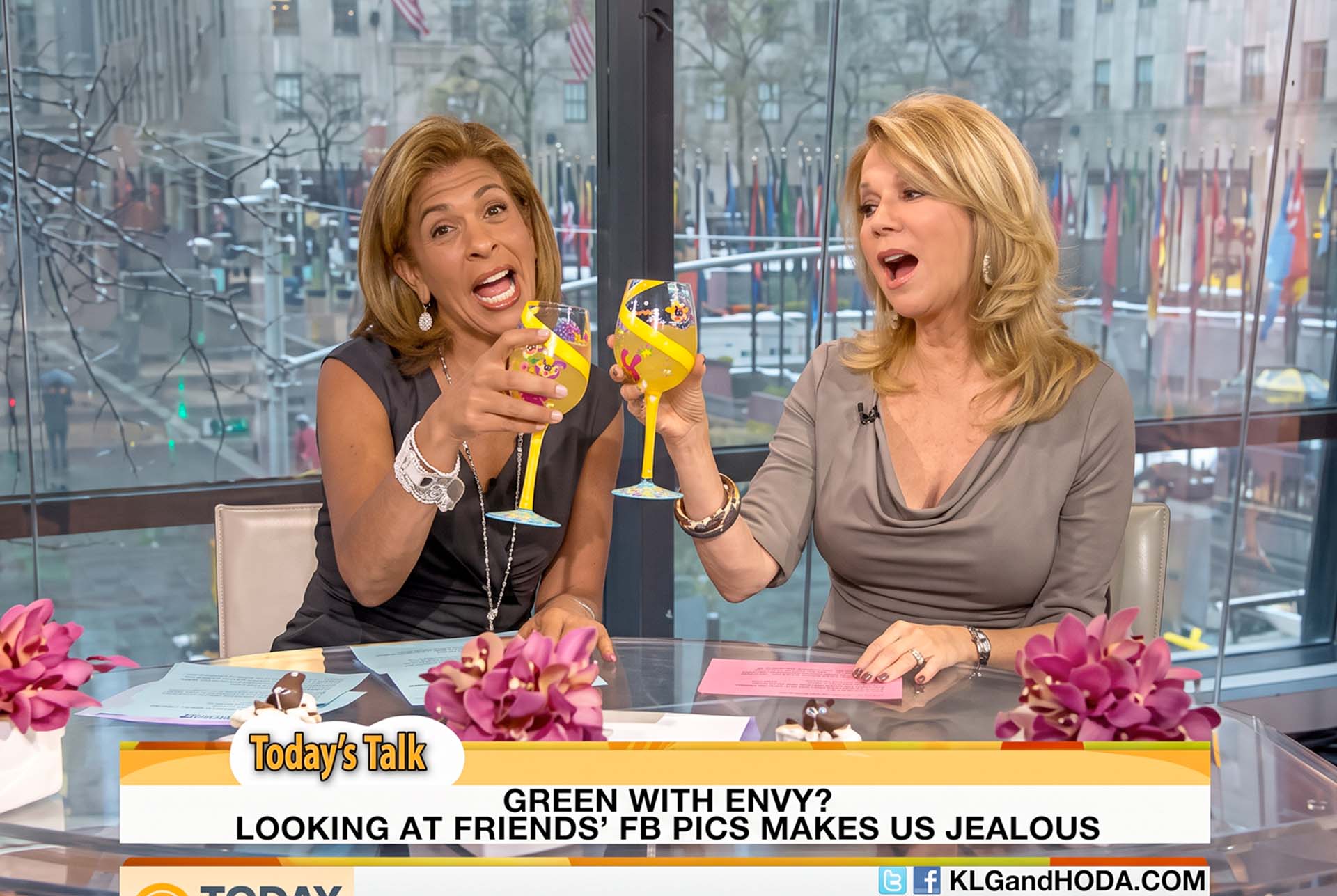
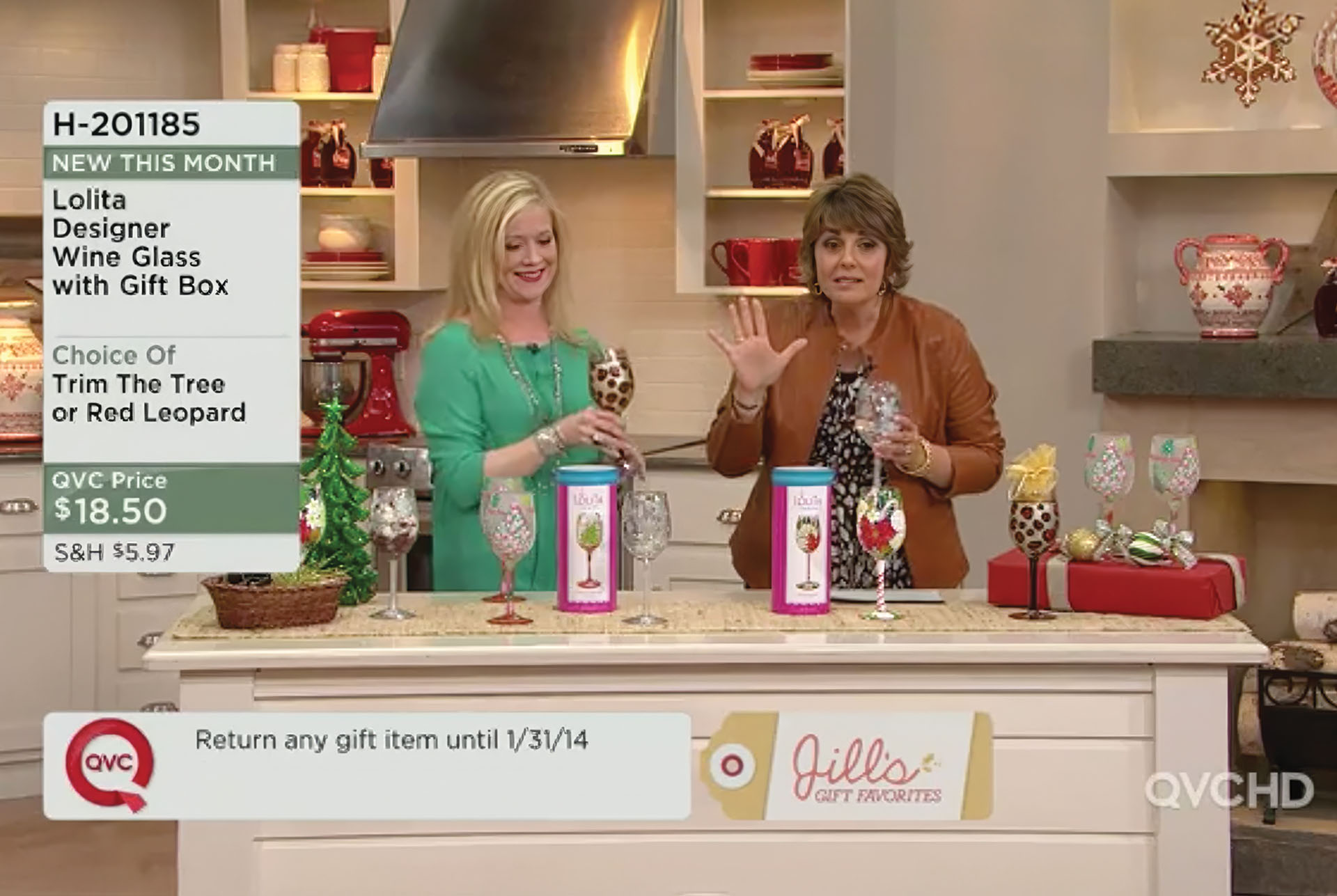
CNBC, the Today show, QVC, and a long run of local morning shows. I prepped the product, staged the sets, and kept it running while we were live.
Beyond CNBC and Today, the brand was featured on Good Morning America and Better Homes and Gardens Television.
I learned most of it on my own. There was no one above me to teach licensing, packaging, or video editing, so I taught myself each one as the company needed it. In my interview I was asked if I could design purses.
I said yes, I had never designed one, and it became one of my first projects. I figured it out, the way I figured all of it out.
"A strong leader, respected by every employee he manages, and he does it all with a smile."
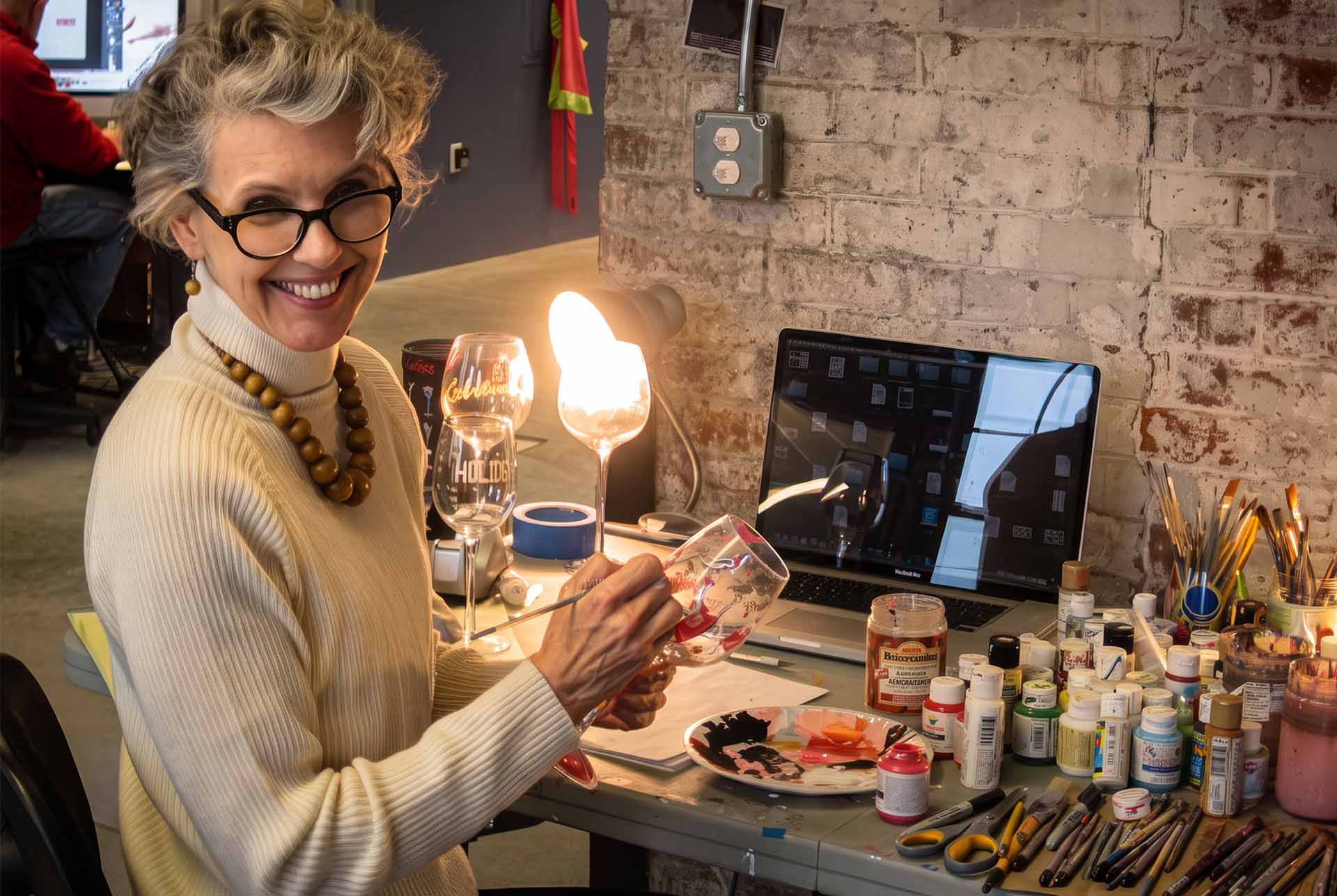
A creative team of up to fifteen at a time, and more than twenty-five over the years. Fine artists, designers, and the studio that kept it running.
By the final years, about seventy percent of my day was leading the team and managing licensors and vendors. I built the team so I could step back to the work only I could do: the line plans, the direction, and solving whatever came up that day.
I thought I would spend my career in an ad agency. Instead, a handful of hand-painted glasses taught me how to build a brand and lead the people who build it. I arrived a new graduate. I left a creative leader, and I have worked that way ever since, now including a metal glassware collection of my own called Gearbox.